 Tiny Weather
Rainy Day Activities for Toddlers: 12 Indoor and Outdoor Ideas
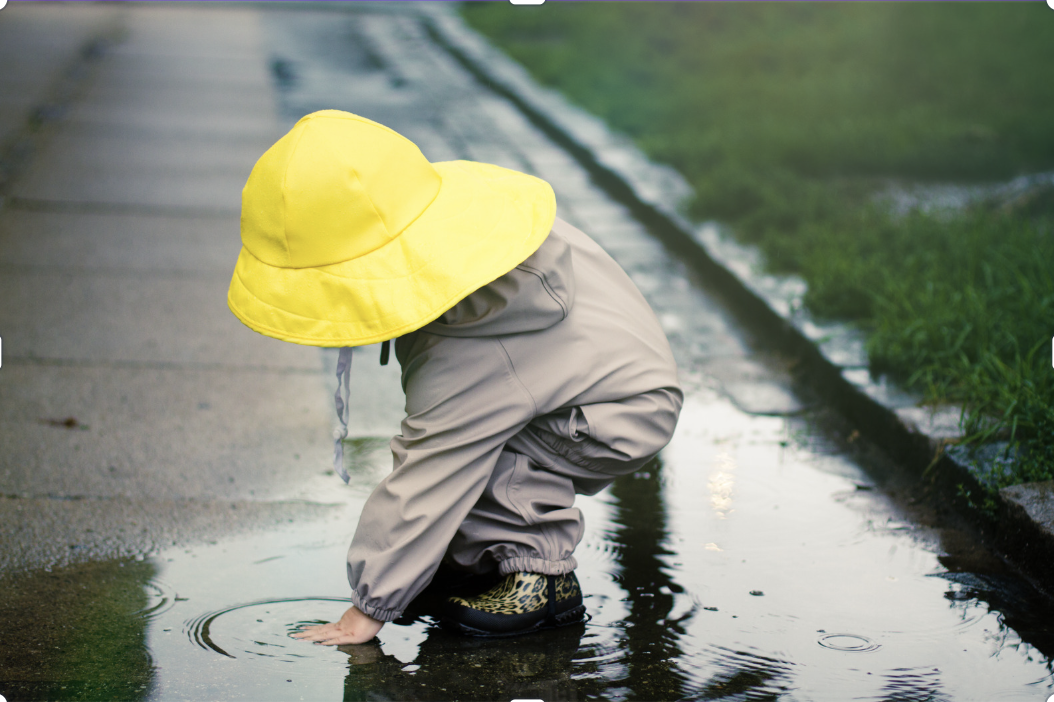
On a rainy day, start with one activity that matches your toddler’s energy: a dance game or sock toss for movement, blocks or pretend play for busy hands, or a book for a quieter moment. If conditions are suitable, add a short supervised outing for shallow puddles or a rain-listening walk. You do not need to fill the whole day with new activities.
Below are eight indoor ideas and four outdoor options. Choose for your child’s abilities and interests, not age alone. Join in, use age-appropriate materials and stop or change the game when it no longer works for them.
Choose an activity for right now
- Lots of energy: try the stop-and-go dance or soft-sock target game.
- Interested in making things: build a garage or draw a rainy picture.
- Enjoys pretend play: set up a picnic for toy animals.
- Needs a quieter moment: look through a book together.
- Wants to go outside: check the forecast and choose one nearby activity with an easy route home.
Put out only what you need for the first game. A small choice is easier to set up and put away than emptying every toy box at once.
The NHS baby and toddler play guide explains that play can use ordinary household materials. The activities below are Tiny Weather’s editorial suggestions, not a developmental assessment or a programme every child needs to complete.
Eight indoor rainy day activities
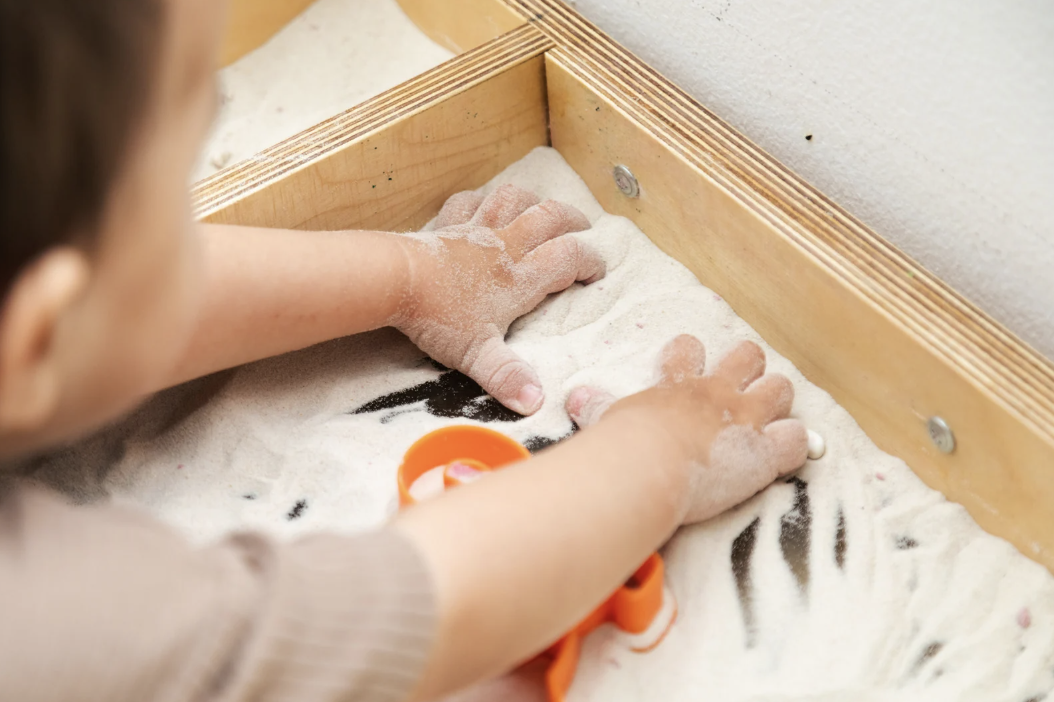
1. Stop-and-go dancing
You need: clear floor space and a song you both enjoy.
Dance together, then pause the music and stand still. Start again when your toddler is ready. You can change the movement to marching, swaying or moving your arms, so a child who is less steady on their feet can join in.
Keep the floor clear and use a non-slip surface. There is no need to make freezing perfectly still the goal; copying your actions can be the whole game.
2. Soft-sock target game
You need: a laundry basket and a few clean, rolled-up socks.
Place the basket close enough for an easy first attempt. Take turns dropping or tossing socks into it, then collect them together. Move the basket closer or let your toddler stand beside it if throwing is frustrating.
Use soft socks without small attachments, and aim only at the basket. You can turn tidying up into the last round.
3. Animal walks
You need: space on the floor and your imagination.
Take turns choosing an animal. Walk slowly like a bear, stretch tall like a giraffe or flap your arms like a bird. Keep the movements at floor level and suited to what your toddler can comfortably do.
For a quieter version, sit together and copy animal sounds or hand movements. You can finish by finding one of the animals in a book.
4. Build a garage or a home for a toy
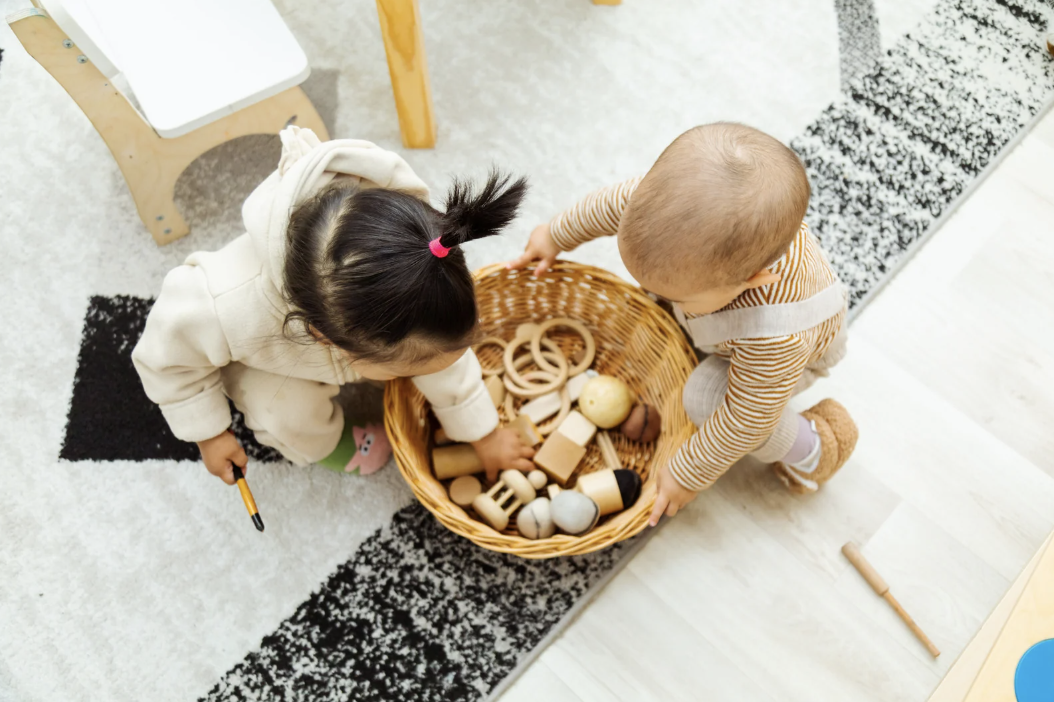
You need: age-appropriate large blocks and a favourite toy.
Make a low structure together: a parking space for a car, a wall around a toy garden or a home for a soft animal. Ask your child where the entrance should go, then let their idea lead.
Use blocks and toys suitable for their stage, especially if they still put objects in their mouth. Keep small parts out of reach, following NHS baby and toddler safety advice.
5. A pretend picnic
You need: a cloth on the floor, toy animals and a few sturdy cups or plates.
Invite the toys to a picnic and let your toddler decide who sits where. Pretend to pour drinks, serve lunch or pack everything away before imaginary rain starts.
You do not need real food. Keeping it pretend makes this an easy option between meals, and gives your child room to invent an unusual menu.
6. Draw your own rainy window
You need: paper and age-appropriate chunky crayons.
Draw a large window shape, then add dots, lines and swirls for rain. Your toddler can choose what is outside: a tree, a bus or an enormous puddle. Offer a few colours rather than the whole box if that makes starting easier.
For a child who is not interested in drawing, make the picture yourself while they choose colours and tell you what to add. Avoid treating it as a craft that must look a particular way.
7. Become a book-weather detective
You need: a familiar picture book.
Look for hats, clouds, boots, coats or places where a character could stay dry. Ask one simple question at a time: “Where are the boots?” or “What would we take outside?” Let your toddler turn back to favourite pages.
This also works with a book that has no weather theme. You can imagine what would change if it rained in the story.
8. Wash a washable toy together
You need: a small container, a little water, a cloth and a toy designed for water play.
Set up on a stable, low surface over a towel. Stay within reach and give the toy a wipe together. Let your toddler squeeze the cloth or use a suitable cup to pour while you help manage spills.
Water play needs close, constant adult supervision, even with a small amount of water. Empty the container immediately afterwards and keep it inaccessible when not in use. The CDC’s drowning-prevention guidance emphasises attentive supervision around water. If you cannot give the activity your full attention, choose a dry game instead.
Four outdoor ideas for suitable rainy weather
Check rain, wind, temperature and local warnings before leaving. These ideas are for manageable conditions near home, not thunderstorms, flooding or strong winds. The Met Office advises staying indoors during lightning storms.
9. Shallow puddle steps
Choose a familiar, shallow puddle where you can see the surface and know what is underneath. Stay beside your toddler as they step gently, stamp or watch the ripples. Let cautious children start by watching your boots.
Avoid water of unknown depth, floodwater, drains, roads and ponds. Waterproof clothing does not make water safe, and outdoor water play still needs your full attention.
10. A rain-sound walk
Take a short route and listen together: rain on a roof, leaves or the pavement can sound different. Stop in a safe place and choose which sound to listen for next.
Stay on suitable paths and keep away from traffic and exposed water. If the weather is unpleasant for your child, return home and listen from a closed window instead.
11. A colour hunt after a shower
Choose one colour and look for it on a familiar route: a yellow door, red boots or a blue gate. Point rather than collecting things from the ground. Older or more interested toddlers can choose the next colour.
This gives a short walk a purpose without needing a printed sheet or a bag of equipment. It works just as well during a dry gap between showers.
12. Water marks on paving
On a suitable non-slip surface, use a large brush and a small amount of clean water to make marks. Watch how the marks change as the surface dries. Your toddler can follow a line with the brush or cover a patch beside yours.
Save this for a break in the rain when the surface is not icy or slippery. Keep the water container within reach under constant supervision and empty it when finished. If the ground is too wet for the marks to show, choose the colour hunt instead.
What should a toddler wear for a rainy outing?
Choose the clothes underneath for the temperature and activity, then add suitable rain protection. A warm shower does not automatically call for a padded winter suit.
For puddle play, consider a rain jacket with waterproof trousers or an appropriate rain suit, plus footwear suited to wet ground. Check the fit while your toddler walks and bends. Have dry socks and a replacement outfit ready for afterwards.
Use our toddler clothing temperature chart for outdoor starting outfits. Reassess if your child changes from running to sitting in a stroller. If a younger sibling is coming too, use the separate baby rainy-weather clothing guide.
Tiny Weather can help you check the forecast and plan a starting outfit for a walking or stroller outing. Use those conditions to decide whether today suits a short walk or an indoor game; the app does not supervise play or assess a route’s safety. You can download Tiny Weather before planning your next outing.
A simple rainy-day rhythm
You do not need to do all twelve activities. One possible sequence is:
- A movement game while everyone has energy.
- A familiar meal or snack and a quieter book.
- One outdoor activity if conditions allow, or a hands-on indoor game.
- Dry clothes and the usual rest or bedtime routine.
This is an example, not a timetable. Leave room for your child’s usual meals, rest and free play. Repeating the same game is fine if it is still enjoyable.
Frequently asked questions
What can I do with a two-year-old on a rainy day without buying anything?
Start with soft socks and a laundry basket, a familiar book, animal movements or a pretend picnic using household items. Choose materials you can supervise and that are appropriate for your child.
Can toddlers play outside in the rain?
It depends on the weather, location, supervision and your child’s comfort. A short outing in manageable rain is different from a storm. Follow warnings, avoid dangerous water and have a straightforward way to get dry and return home.
Which rainy day activities are suitable for younger toddlers?
Choose a simpler version they can join: dropping a sock into a nearby basket, copying one movement or pointing to a picture. Abilities vary; the game should adapt to the child rather than requiring them to finish instructions.
How long should each activity last?
Follow your toddler’s interest. Setup and play lengths vary, and there is no minimum time to make an activity worthwhile. If the game stops being enjoyable, simplify it, repeat a familiar part or move on.
About these ideas
Activities and the example daily rhythm are Tiny Weather’s editorial suggestions. Safety sources were checked on 15 November 2026. Adapt each idea to your child’s abilities, supervise closely and follow product instructions and local weather advice.
Get today’s outfit in the app
Free to start on iPhone and Android.