 Tiny Weather
What Should a Toddler Wear Outside? Temperature Guide
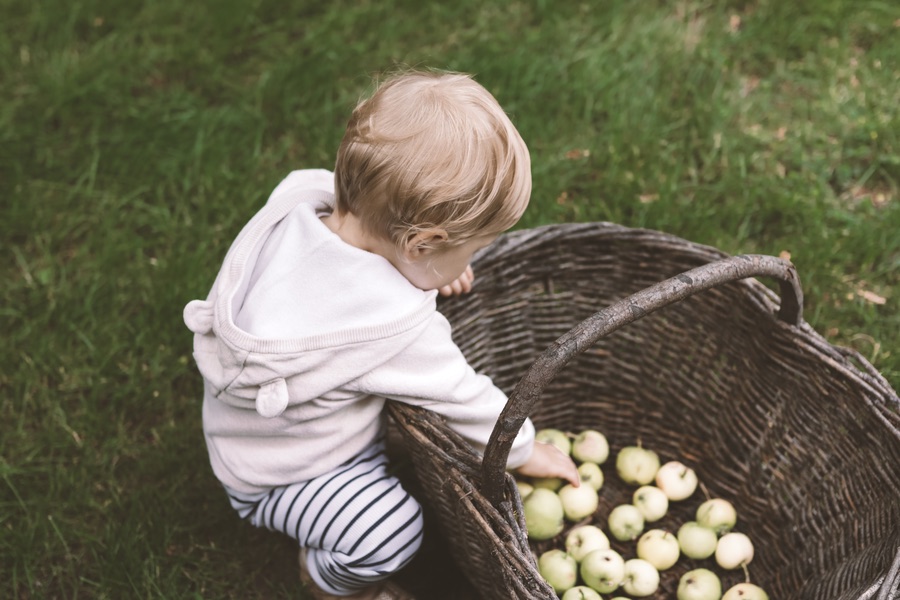
Dress a toddler for movement: use breathable clothes plus a removable outer layer, then adjust for whether they will run, sit in a stroller, or move between indoors and outside. At 20°C (68°F), a T-shirt with light trousers or shorts may be enough. At 10°C (50°F), add a jumper and jacket. Near 0°C (32°F), use a warm base, mid-layer, insulated outerwear, hat, gloves, and warm footwear.
The chart is a starting point. Check the upper chest or back of the neck after active play and regularly outdoors. Hands may feel cool even when the toddler is comfortable.
Toddler clothes by temperature
For general cold-weather layering advice, see the American Academy of Pediatrics (AAP). The numerical outfit examples below are not an AAP chart. In severe weather, follow local warnings and consider postponing the outing; extra clothes do not make every temperature safe.
These outfit examples are Tiny Weather’s practical suggestions, not clinically validated temperature cutoffs. Fabric, age, activity, wind, and exposure change the answer; shared range endpoints do not prescribe a sudden outfit change.
| Feels-like temperature | Active toddler starting outfit |
|---|---|
| Below 0°C / 32°F | Long-sleeve base, warm trousers, fleece or wool mid-layer, insulated coat and snow trousers or snowsuit as conditions require, hat, gloves, warm socks, boots |
| 0–5°C / 32–41°F | Long-sleeve top, trousers, warm jumper or fleece, insulated jacket, hat, gloves, warm socks and shoes |
| 5–10°C / 41–50°F | Long-sleeve top, trousers, jumper or fleece, medium jacket, closed shoes; light hat if windy |
| 10–15°C / 50–59°F | Long-sleeve top, trousers, cardigan or light jumper, packable jacket |
| 15–20°C / 59–68°F | T-shirt or long-sleeve top, light trousers, thin cardigan or jacket available |
| 20–25°C / 68–77°F | T-shirt with shorts or light trousers, breathable sun hat |
| 25–30°C / 77–86°F | Loose T-shirt and shorts or airy romper, sun hat, shade, and cooler play periods |
| Above 30°C / 86°F | Minimal loose clothing; prioritise shade, airflow, water breaks, and shorter outdoor play |
If you are dressing a younger sibling who is still mostly stationary, use the separate baby clothing temperature guide. A baby in a stroller and a toddler running beside it should not automatically wear identical outfits.
Activity changes the answer
Toddlers can switch from sprinting to sitting in minutes. Dress for the most active part of the outing, then carry one easy layer for snack stops, stroller rides, or the journey home.
Running and playground time
Movement generates heat. Start slightly lighter than you would for a stationary stroller ride, especially above 10°C (50°F). Choose a jacket with a zip and a jumper that fits in the bag. After several minutes of running, check the neck; if it is hot or damp, remove a layer before clothes become sweaty.
Riding in a stroller
A tired toddler sitting still may cool down, particularly in wind. Add the layer you packed or use a supervised blanket below the shoulders. Keep loose blankets away from the face, and do not cover the stroller opening. Rain covers need ventilation because they can trap humid air.
Moving between outdoors, car, and shops
Car-seat precautions follow AAP guidance.
Remove hats, coats, and thick jumpers in heated spaces. Before using a car seat, take off bulky or padded coats so the harness can sit close to the body. Use only inserts or accessories approved for that car seat. Once the child is buckled correctly, place a blanket over the straps if needed, below the shoulders and away from the face.
The AAP suggests an extra layer as a cold-weather rule of thumb. Adjust for activity and clothing thickness, and have layers available when play stops.
Dress for the surface as well as the air
For sun protection, see NHS sunscreen and sun-safety guidance.
Toddlers touch wet slides, sit on cold steps, kneel in mud, and splash in puddles. Their outdoor clothes need to manage the environment, not only temperature.
- Wet ground: use waterproof trousers or a rain suit over light layers. Waterproof clothing can hold heat, so take it off after play.
- Wind: choose a thin wind-resistant shell. It can be more useful than another thick jumper.
- Snow: insulated, water-resistant outerwear and boots matter because wet clothes cool quickly. Pack dry mittens and socks.
- Sun: use shade, a breathable wide-brimmed hat, and light skin coverage. Follow local sunscreen guidance. If a baby under 6 months is also with you, keep the baby in shade rather than relying on sunscreen.
- Humidity: choose loose, breathable clothing and schedule breaks because sweat does not evaporate as readily.
Tiny Weather can provide an age- and weather-aware starting suggestion, but the best feedback comes from the child and a quick torso check.
A simple check during play
Feel the upper chest or back of the neck under the clothing:
- Warm and dry: leave the outfit unchanged.
- Hot, sweaty, or clammy: remove a layer, pause in shade, and allow the toddler to cool.
- Cool at the torso after sitting: add a light layer or move out of the wind.
Do not use cool fingers alone as proof that more clothing is needed. A verbal toddler may say they are hot or cold, but distraction and changing activity can make those reports inconsistent. Combine what they say with the torso check and conditions.
This is clothing guidance, not medical diagnosis. Seek medical advice if a child seems unwell. Breathing difficulty or difficulty waking needs emergency help; see NHS warning signs. For more detail on comfort checks, read is my baby too hot or too cold?; the same chest-and-neck principle remains useful for young toddlers.
Practical outfits at common temperatures
What should a toddler wear at 10°C (50°F)?
Try a long-sleeve top, trousers, a light fleece or jumper, and a medium jacket with closed shoes. Add wind or rain protection when needed. A toddler riding in a stroller may need the packed extra layer sooner than one running.
What should a toddler wear at 15°C (59°F)?
A long-sleeve top, light trousers, and cardigan or thin jacket make an adaptable outfit. For comparison with a less-active infant, see the baby clothing temperature guide.
What should a toddler wear at 20°C (68°F)?
A T-shirt with light trousers or shorts is often enough during active play. Carry a thin top for shade, wind, or a stroller nap. The baby clothing temperature guide shows how the baby version differs.
What should a toddler wear at 25°C (77°F)?
Choose a loose T-shirt with shorts, a lightweight dress, or an airy romper, plus a sun hat. Prioritise shade and breaks. Compare the advice for younger children in how to dress a baby in summer.
The outdoor baby clothing guide is written for younger children, but its explanations of wind, rain, sun, and humidity can help when packing for siblings.
Frequently asked questions
Should a toddler wear the same number of layers as a baby?
Not necessarily. A walking toddler creates more body heat, while a baby may remain still. Compare activity, transport, fabric weight, and weather instead of copying a layer count.
Does my toddler need a coat at 15°C (59°F)?
A thin jacket or cardigan may be useful in wind, shade, or the stroller, but it may come off during active play. A heavy winter coat is usually unnecessary in ordinary mild conditions.
How do I handle a cold morning and warm afternoon?
Start with a light base, mid-layer, and packable jacket. Remove them one at a time as the day warms. The broad outside clothing decision guide for babies contains a useful weather-first process that also works for toddlers.
About this guidance
Sources are linked beside the relevant safety advice. Outfit examples are editorial suggestions, not recommendations tested for every child. This is a source-based editorial update, not a clinical review. For premature or unwell children, or children with specific health needs, ask their healthcare professional for individual advice.
Get today’s outfit in the app
Free to start on iPhone and Android.