 Tiny Weather
How to Avoid Overdressing a Baby in Mild Weather
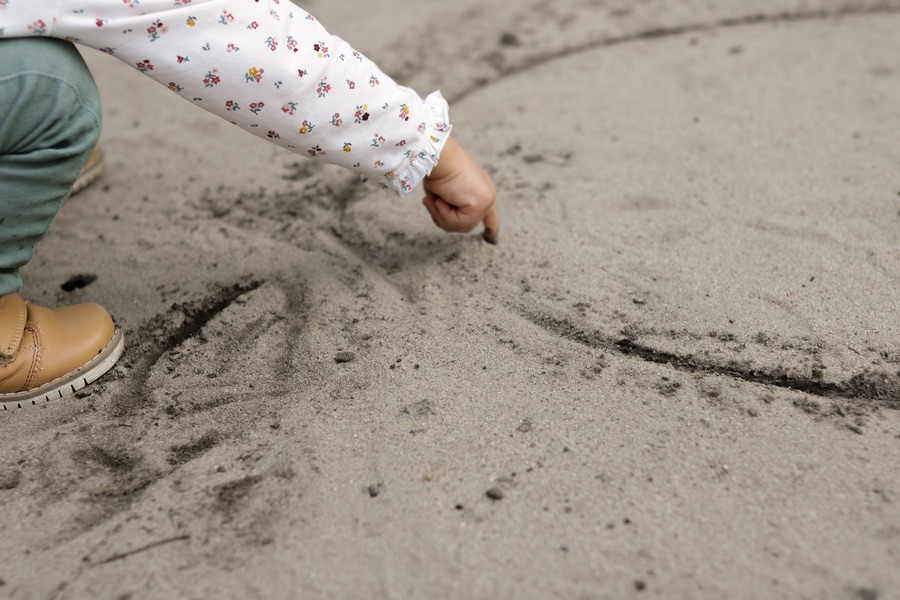
On a mild day around 16–22°C (61–72°F), choose removable layers rather than automatically using a full winter outfit. A long-sleeve bodysuit, trousers, and a light jacket are one example to adjust for conditions. A baby cannot remove a layer, so keep checking their comfort.
This is informational guidance for typical healthy children outdoors. It is not medical advice. If your child is unwell, premature, or you are unsure, use your judgment and speak with a clinician.
Why we default to too many layers
The AAP suggests an extra layer as a cold-weather rule of thumb. That does not mean using the same outfit in mild sunshine as in winter.
Cold feels dangerous. Mild overheating feels invisible. Cold hands and feet also trick us: in infants they are a poor guide to core temperature. The chest or the back of the neck tells you more.
The calendar tricks us too. A sunny 20°C afternoon in April is not a 12°C windy morning, even in the same week.
A simple starting point for mild weather
Use a proper sunshade, never a blanket over the stroller opening. See NHS sun-safety advice.
Use this as a starting point, then check your child. Wind, rain, shade, and whether they are sitting still in a stroller all matter more than the month.
These outfit examples are Tiny Weather’s practical suggestions, not clinically validated temperature cutoffs. Fabric, age, activity, wind, and exposure change the answer; shared range endpoints do not prescribe a sudden outfit change.
| Outdoor temperature | Typical starting outfit (stroller) |
|---|---|
| 16–18°C / 61–64°F | Long-sleeve bodysuit, trousers, light jacket, optional light hat |
| 18–20°C / 64–68°F | Long-sleeve bodysuit or light jumper, trousers, jacket in the bag |
| 20–22°C / 68–72°F | Short- or long-sleeve bodysuit, light trousers or leggings; stroller sunshade with airflow |
Walking toddlers generate heat. They often need less than a still baby in a buggy at the same air temperature. If you are comfortable in a long-sleeve shirt, your baby usually does not need a snowsuit.
Signs your baby may be too warm
Check the chest or back of the neck, not the hands.
- Sweaty neck or damp hair
- Flushed cheeks
- Fussiness without an obvious cause
For a hot or sweaty torso in an otherwise well baby, remove an excess layer and recheck. Lullaby Trust advice supports checking the chest or neck. Flushing and fussiness alone do not establish overheating.
Breathing difficulty, very fast breathing, difficulty waking, or abnormal responsiveness need emergency help, not a wait to see whether clothing changes work. See NHS warning signs; outside the UK, use your local emergency service.
How to adjust layers
- Dress for today’s feel, including wind.
- Layer so you can add or remove something in 30 seconds.
- Recheck the neck regularly outdoors.
- Keep a spare layer in the bag rather than putting it all on at the door.
Tiny Weather is built around that habit: it reads feels-like temperature, rain, wind, age, and stroller vs walking, then shows the layers. You still look at your child. The app just removes the 7 a.m. guesswork.
If you are comfortable in a long-sleeve shirt, your baby usually does not need a snowsuit.
About this guidance
Sources are linked beside the relevant safety advice. Outfit examples are editorial suggestions, not recommendations tested for every child. This is a source-based editorial update, not a clinical review. For premature or unwell children, or children with specific health needs, ask their healthcare professional for individual advice.
Get today’s outfit in the app
Free to start on iPhone and Android.