 Tiny Weather
What Should a Baby Wear Outside at 20°C (68°F)?
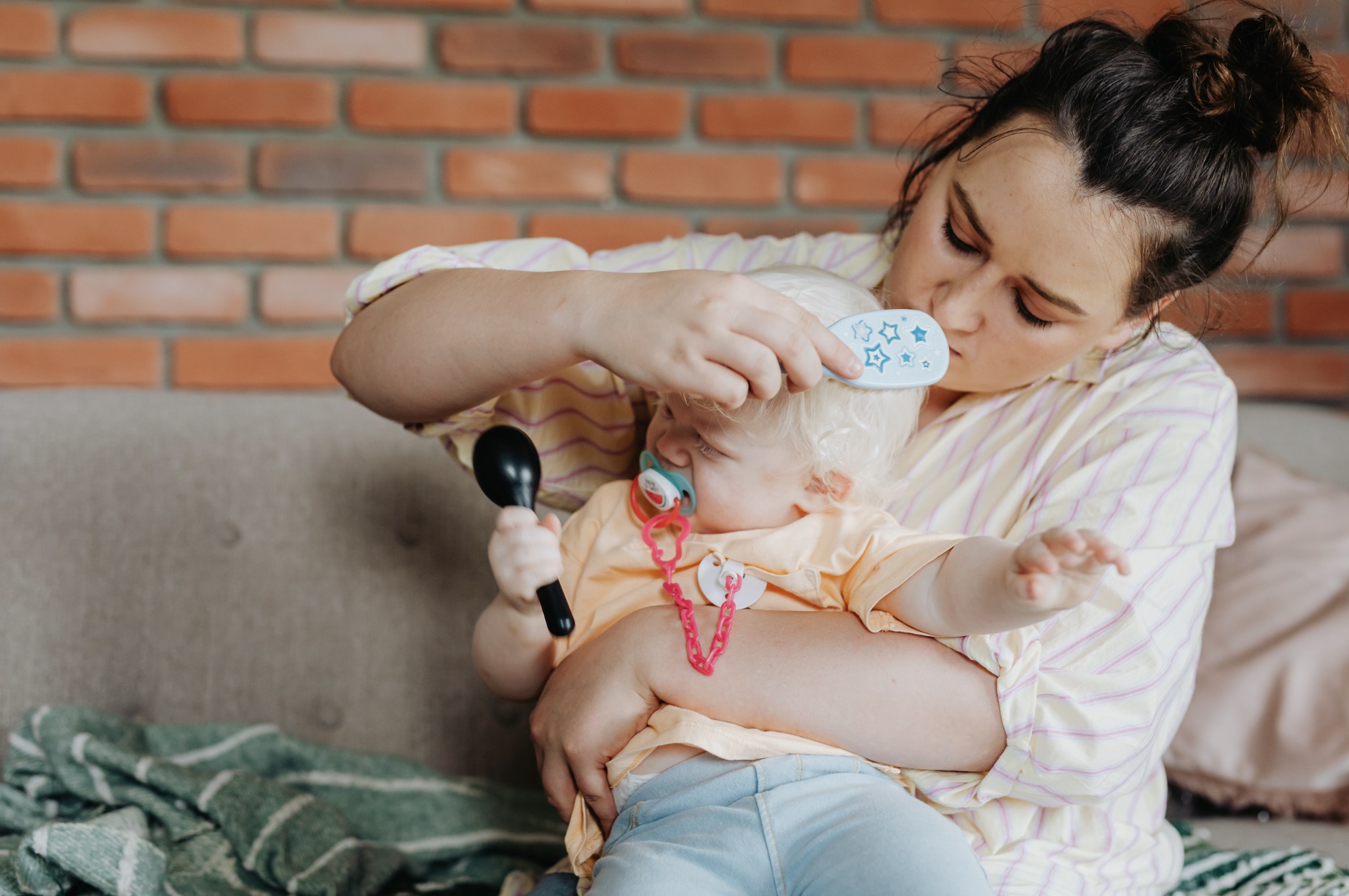
At 20°C (68°F) outside, start with a light bodysuit and trousers, or a lightweight sleepsuit. For a baby in a pram, carry a thin cardigan for shade or a breeze. In a carrier, account for your body heat and the carrier fabric before adding that layer.
Choose for the outing: a still pram passenger and a baby held against your chest do not have the same warmth around them. The examples below separate those two situations so you can choose a starting outfit and an easy layer to remove or add.
These are practical outfit examples for typical healthy babies, not medically validated temperature cutoffs. Fabric, age, wind and sunshine change the answer. Check the chest or back of the neck rather than judging by hands or feet alone.
This guide is for outdoor trips, not a bedroom at 20°C. For indoor sleep, use the baby sleeping bag TOG guide. For a walking, playing child, use the toddler clothing temperature chart.
At-a-glance outfits for 20°C
| Situation | Sensible starting point |
|---|---|
| Stroller, mild and overcast | Cotton bodysuit or top, light trousers, socks; thin cardigan available |
| Baby carrier | One light outfit, with exposed feet covered; account for your body and carrier |
| Walking child | T-shirt or thin long-sleeve top, light trousers or shorts, socks and shoes |
| Sunny, sheltered spot | Loose, breathable clothing, sun hat and shade |
| Breezy waterfront or hill | Light outfit plus a thin wind-resistant layer |
| Showers | Breathable rain shell or ventilated stroller rain cover; spare dry clothing |
For a colder start to the day, compare the baby outfit examples at 15°C (59°F). The baby clothing temperature chart covers a wider range. Carry an optional layer rather than dressing for every forecast change at once.
What should a baby wear in a pram at 20°C?
A baby lying or sitting still does not generate much warmth. At 20°C (68°F), try a cotton bodysuit with lightweight trousers or a thin one-piece outfit. Keep a cardigan in the stroller basket for a long shaded walk, a nap or a drop in temperature.
A light blanket can be useful as a removable leg layer, but it should not be the default on a warm, sunny walk. Keep blankets below the shoulders and away from the face. Never cover the stroller opening with a blanket to create shade, because airflow can fall and heat can build up. Use the stroller’s canopy or a suitable parasol. NHS sun-safety guidance advises against covering a pram with a blanket because it can cause overheating.
What should a baby wear in a carrier at 20°C?
A carrier is a warm microclimate: your body, the carrier panel and any coat around both of you all contribute. At 20°C, start lighter than you would for a stroller. One cotton layer may be enough.
Follow the carrier manufacturer’s age, size and fitting instructions and the Lullaby Trust’s TICKS guidance. Keep the baby’s face uncovered and visible, their chin away from their chest and their back supported. Check the back of the neck because the area between you may become sweaty before the weather feels hot to you. Protect feet and lower legs from direct sun, but avoid bulky clothing that changes the carrier fit.
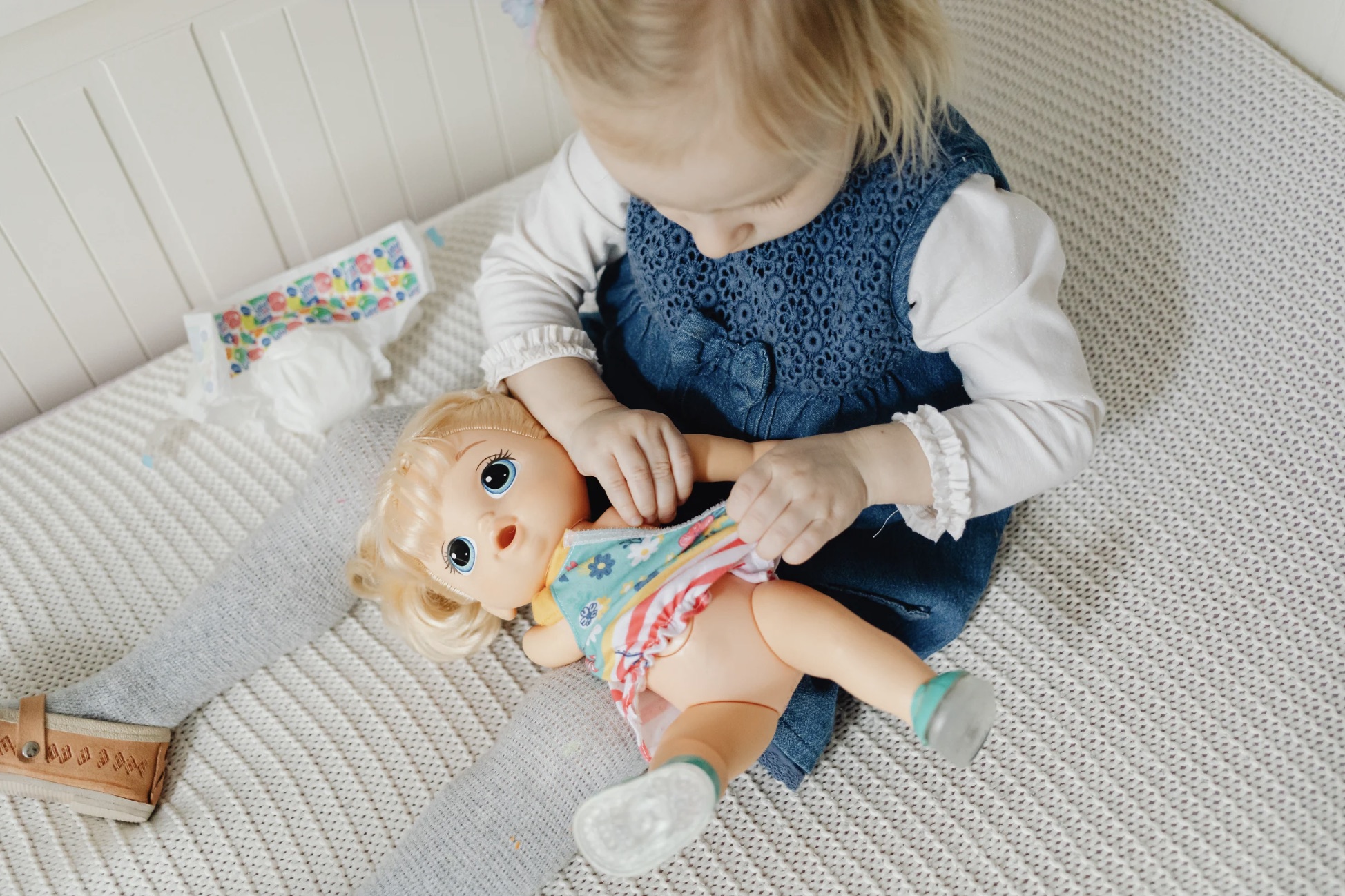
What if an older sibling is walking?
A toddler running around may need a different outfit from a baby sitting in a pram. Use the toddler guide’s 20°C (68°F) outfit example rather than copying the baby’s layers.
Sun can matter more than the number
In direct sun, 20°C (68°F) can feel warm. Prioritize:
- Shade, especially for babies under six months
- Lightweight, loose, breathable fabrics
- A breathable, age-appropriate sun hat
- Regular breaks and normal feeds
- Checking the neck for heat or dampness
Do not use an extra blanket as sun protection. It can trap warm air around a stroller. Follow local health guidance for sunscreen and sun exposure based on your child’s age.
Wind and rain change the outfit
A persistent breeze can make a still baby cool even at 20°C. A thin wind-blocking layer is more effective and easier to remove than stacking several warm jumpers. Check exposed legs and feet without using their temperature as your main measure of whole-body comfort.
For rain, focus on staying dry. A thin waterproof shell over breathable clothing is usually enough; heavy insulated rainwear may cause sweating. Keep stroller rain-cover vents open, and remove the cover when rain ends. Pack a dry bodysuit and socks for longer outings.
For wet outings, see how to dress a baby for rain. For stronger heat, see the summer clothing guide.
Check, then adjust
Soon after setting out, regularly during the outing, and whenever activity, sun or shelter changes, feel the upper chest or back of the neck:
- Warm and dry: the current outfit is probably working.
- Hot or sweaty torso: remove a layer, move to shade and recheck.
- Cool torso: add the cardigan or another light layer.
- Cool hands only: do not add several layers automatically; infant hands often feel cool.
These checks are for an otherwise well baby. Touch cannot measure body temperature or rule out illness. If your baby seems unwell, seek medical advice rather than assuming clothing is the cause. Clothing advice cannot diagnose illness. Read how to tell if your baby is too hot or too cold for comfort signs, normal variation and red flags.
Going from outdoors to the car
The American Academy of Pediatrics recommends avoiding bulky clothing under a car-seat harness. Remove bulky coats or padded suits before securing your child. Car seat straps need to sit close to the body. Never put a blanket, liner or other material under the child or harness unless the car seat manufacturer specifically supplied and approved it.
Fasten the harness, then put a light blanket over it if necessary, below the shoulders and away from the face. A car can warm quickly, so remove the blanket once the cabin is comfortable.
What to pack at 20°C
- A thin cardigan or packable wind layer
- A spare light base layer and socks
- A breathable sun hat and stroller shade
- A light rain shell if showers are possible
- A muslin or light blanket for supervised, below-shoulder use
Tiny Weather can suggest a starting outfit using local weather, your child’s age, and whether they are in a stroller or walking. Use that recommendation together with your own comfort check.
For a step-by-step way to plan the whole outing, read what should my baby wear outside?.
Frequently asked questions
Does a baby need a jacket at 20°C?
Often not in calm, mild conditions. Carry a thin jacket or cardigan for a still stroller baby, wind or shade. Carrier babies and active toddlers may be more comfortable without it.
Can a baby wear short sleeves at 20°C?
Yes, short sleeves can be a reasonable starting point in sheltered or sunny conditions. Add light trousers and keep a removable layer nearby. In wind, shade or for a stationary young baby, long sleeves may be more comfortable.
Is a blanket necessary in the stroller?
Not necessarily. Use a light blanket as an optional, removable layer for a cool or sleeping passenger. Keep it away from the face, never drape it over the canopy, and check underneath for warmth.
Is 20°C warm enough for shorts?
An active toddler may be comfortable in shorts at 20°C (68°F), particularly in sun. A still baby may benefit from light trousers. Consider wind, surfaces, insects and sun protection as well as temperature.
About this guidance
Outfit examples are editorial suggestions, not recommendations tested for every child. Safety sources are linked beside the relevant advice. This is an editorial review, not a clinical review. For premature or unwell babies, or children with specific health needs, ask their healthcare professional for individual advice.
Get today’s outfit in the app
Free to start on iPhone and Android.