 Tiny Weather
Toddler Plane Packing List: What to Pack and Wear
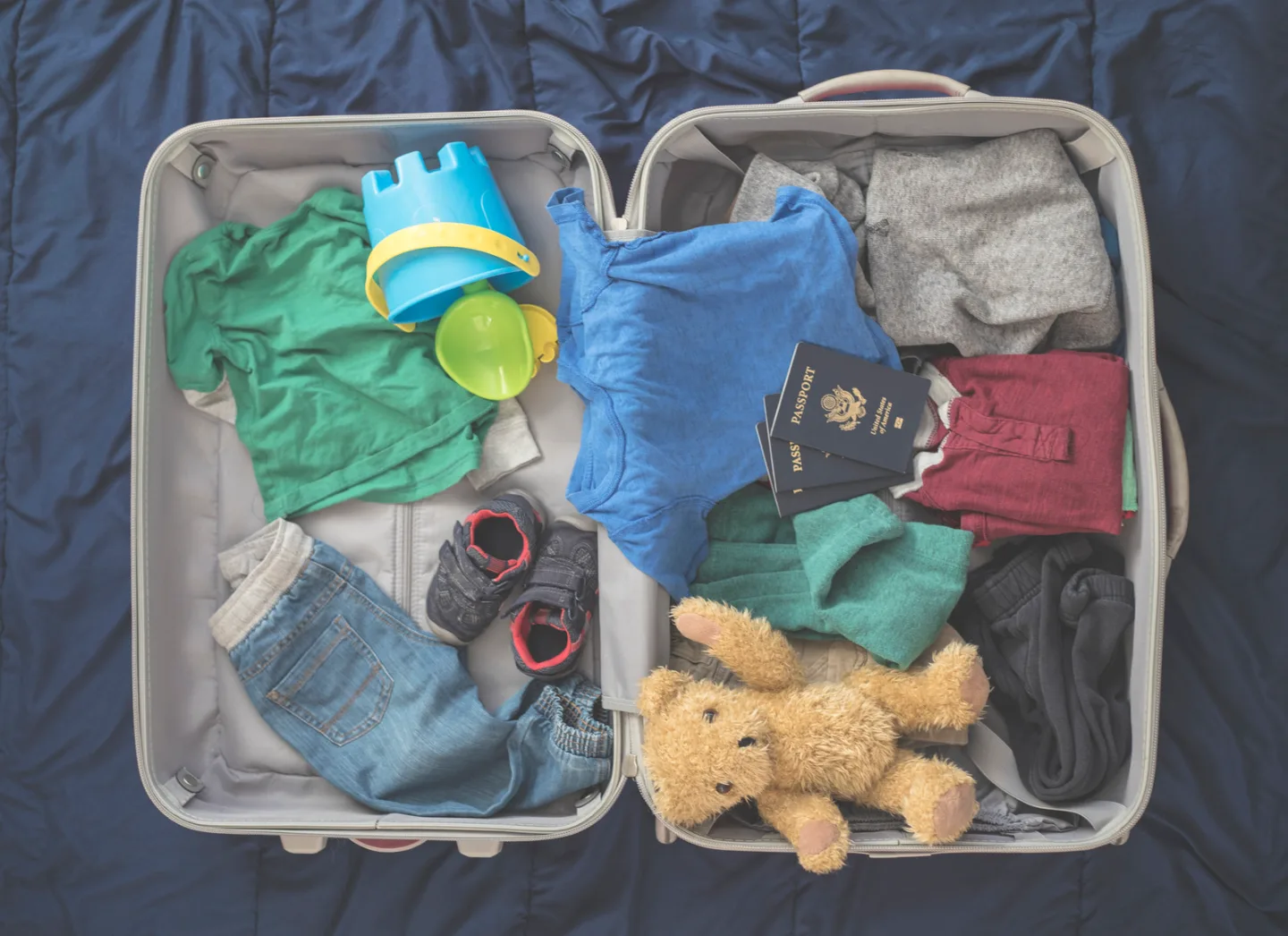
For a flight with a toddler, pack spare outfits, a removable warm layer, nappies or toilet supplies, wipes, familiar snacks, a drinking cup, a comfort item, a few small activities, travel documents, and necessary medicines. Keep these in your cabin bag. Dress your toddler in comfortable layers and keep clothes for the arrival weather within reach.
Think through the journey from leaving home to reaching your accommodation. A two-hour flight can still mean a long day with a car ride, airport queues, and a transfer after landing. This checklist covers that travel day; packing quantities are practical starting points to adjust to your child and itinerary.
What should you pack in a toddler’s carry-on bag?
For clothes, meals and bedtime supplies across the whole stay, use the toddler holiday packing list, including quantities for a week with and without laundry.
Start with the things you would need if a drink spilled, the flight was delayed, or your checked suitcase arrived late. Fit them within your airline’s cabin baggage allowance.
- Two complete spare outfits, including socks and underwear if worn; see the adjustments below
- One light cardigan, jumper, or fleece that is easy to take off
- Nappies or pull-ups, if used, for your usual changes across the whole journey plus a delay buffer
- Wipes, a changing mat, and your usual changing supplies
- A wet bag or sealable bag for damp clothes, kept out of your child’s reach
- Familiar snacks and any food needed across usual mealtimes
- A familiar cup or bottle, with a plan for drinks after security
- One familiar comfort item
- Two or three small, age-appropriate activities, such as a board book or drawing pad
- Necessary medicines and any required documentation, accessible to you and out of your child’s reach
- Passports or other required travel documents, boarding passes, and booking details
- Clothes for the weather at arrival, including an outer layer or sun hat when needed
- A spare top for the accompanying adult
Pack complete changes together so you can lift out one small pouch during a spill. A spare top is much less useful when the trousers and socks are wet too.
What should a toddler wear on a plane?
A breathable top, soft trousers or leggings, socks, comfortable shoes, and a removable cardigan make a flexible starting outfit. Choose a waistband and fastenings that make toilet visits or nappy changes straightforward.
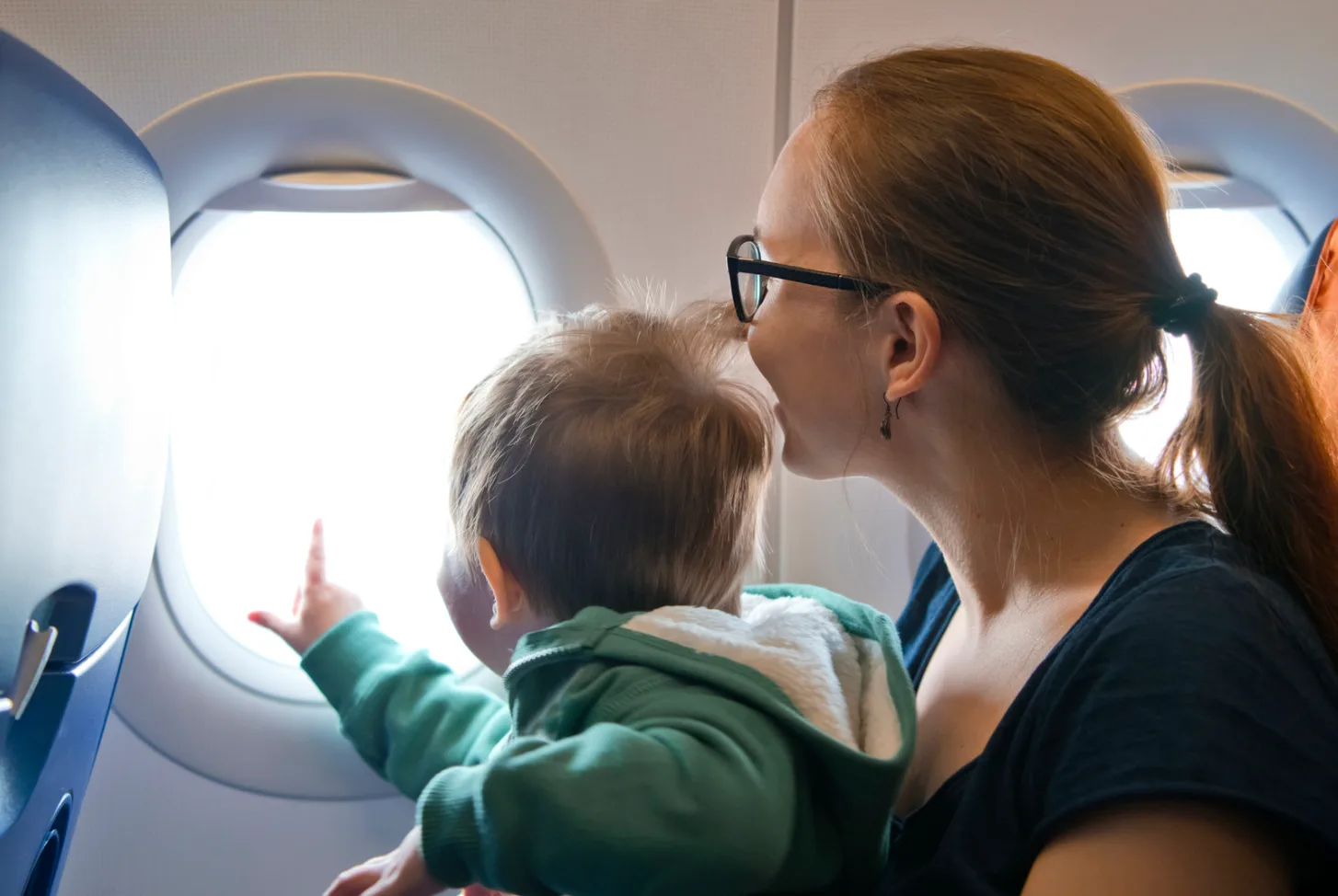
Cabin conditions vary. Your toddler may be warm while boarding and want another layer later. Keep the cardigan available instead of dressing them in every layer at the gate. Remove outdoor coats and warm hats once they are no longer needed indoors.
Try the outfit at home: can your child sit comfortably, bend their knees, and use the toilet without a complicated change? Familiar clothes and shoes are a sensible choice for a long journey.
For the trip to and from the airport, use our toddler clothes by temperature guide. Outdoor temperature advice does not tell you how warm the cabin will be.
How many spare outfits should you pack for a toddler flight?
Two complete spare outfits in the cabin bag are a useful starting point for a straightforward travel day. Consider three for a long journey, a connection, or frequent accidents. These are packing estimates, not a guarantee that a particular number will be enough.
- Short flight with simple transfers: start with two spare outfits, separate from the clothes your toddler wears.
- Long flight, connection, or overnight journey: consider three spare outfits. A comfortable sleep outfit can count as one if it also works as a full change.
- Toilet training: add underwear and bottoms based on your child’s current pattern of accidents; do not assume airport toilets will always be immediately available.
- Frequent spills or leaks: use your usual number of changes over the same length of day, then add a buffer.
Pack for the hours from your front door to your accommodation. Keep at least one clean outfit available for after landing. If that outfit is also your arrival-weather change, count it once rather than adding duplicate sets.
How do you dress a toddler when flying from cold to hot weather?
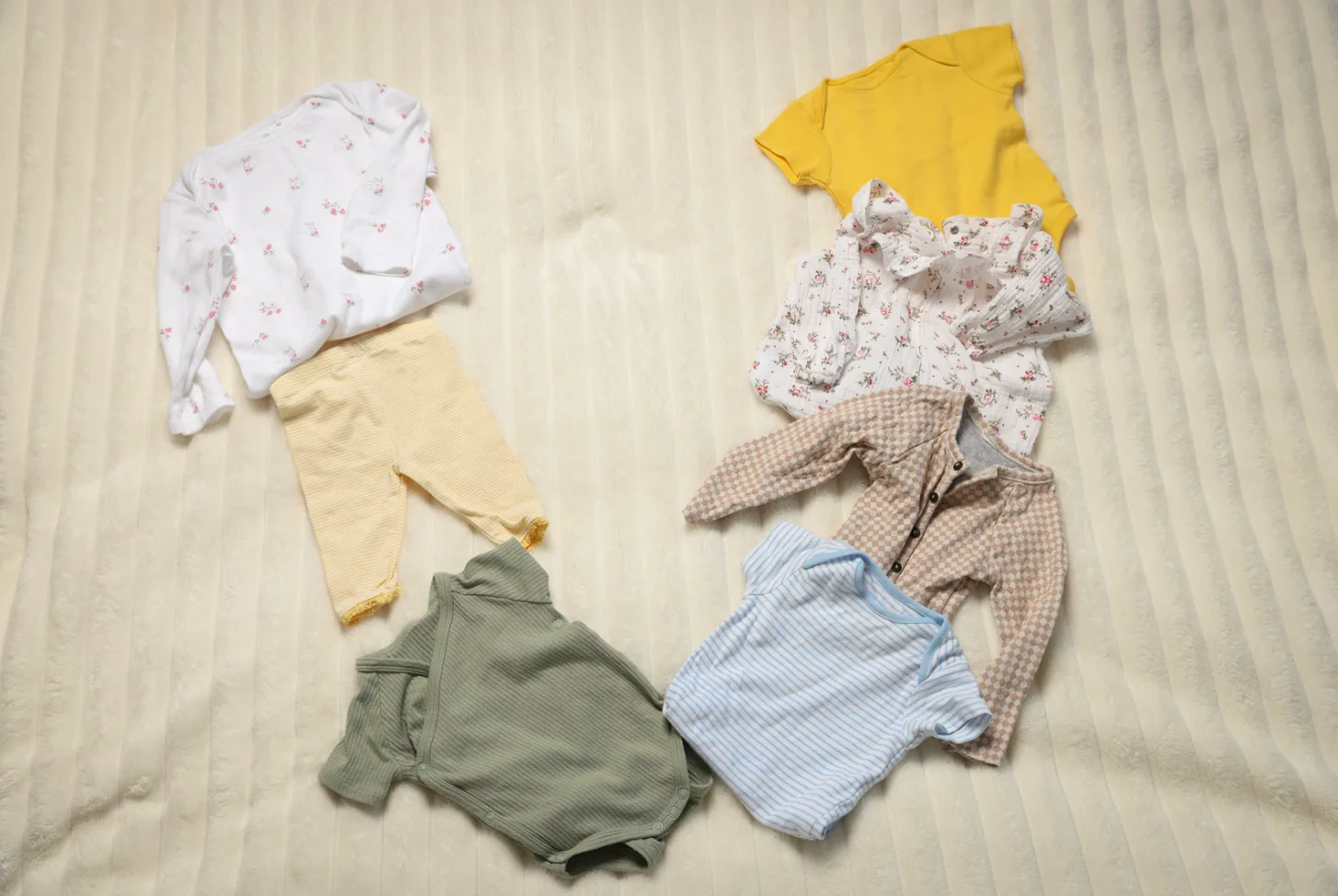
Start with a light base outfit, add removable layers for the departure weather, and keep a sun hat and suitable arrival clothes in your cabin bag. Take off layers as conditions change.
For example, imagine leaving at 8°C (46°F) and arriving at 28°C (82°F):
- Outside at departure: a T-shirt, soft trousers, a fleece or jumper, and a suitable jacket make an adaptable starting combination.
- Inside the airport and on the plane: remove the jacket and adjust the mid-layer to your toddler’s comfort.
- At arrival: remove the fleece before going into the heat. Keep light bottoms and a sun hat accessible if needed for the transfer.
These are outfit examples, not fixed temperature rules. Wind, rain, sunshine, and the time spent outdoors change what is useful. Put the removed jacket somewhere it will fit within your baggage allowance.
For a summer holiday with a younger sibling, our baby packing list for a summer vacation covers clothes and supplies for the stay itself.
What if you are flying from warm weather to a cold destination?
Keep the warm arrival layers in your cabin luggage so you can dress your toddler before leaving the terminal. Do not rely on collecting a checked suitcase first: you may face outdoor aircraft steps or a bus transfer before baggage reclaim.
For example, when leaving at 25°C (77°F) and arriving at 5°C (41°F), travel in a breathable base outfit and carry a long-sleeve layer, fleece or jumper, warm jacket, socks, and suitable footwear. Add a hat and other protection for the forecast and expected outdoor time.
Check the forecast for your landing time, rather than only the day’s maximum. A warm afternoon forecast may hide a much cooler late-night transfer. Rain and wind matter too.
If you use a car seat for the onward journey, remove bulky coats before fastening the harness. The American Academy of Pediatrics’ winter car-seat guidance explains why padded clothing can prevent a snug fit.
What should you keep under the seat?
Keep your first change of clothes, changing supplies, a snack, cup, comfort item, and one activity in the bag you can reach most easily. Store the bag as the crew directs; permitted under-seat storage depends on your seat and aircraft.
Put additional outfits and backup supplies in your other cabin bag if your allowance permits one. Keep documents and medicines with you, and move essentials out of any bag that is taken for gate checking.
Checked luggage can hold the bulk of your holiday clothes and extra supplies. The items you may need before reaching your accommodation belong in the cabin.
What food and activities are useful on a toddler flight?
Bring familiar food your toddler already manages comfortably, plus a few quiet activities you can offer one at a time. Pack enough for the journey’s normal snack and meal times, with something extra for delays.
Choose food suited to your child’s age and eating skills, prepare it as you would at home, and supervise eating while they sit upright. Follow storage instructions for anything perishable. Check destination food-entry rules before carrying leftovers through customs.
A favourite book, a small drawing pad, and an age-appropriate toy give you several options without filling the bag. Avoid activities with many loose pieces. If using a tablet, download content before leaving and bring suitable headphones.
Keep one activity and a little food for the transfer after landing. That final stretch is still part of the travel day.
What should you check with your airline and airport?
Check baggage, security, stroller, and child-seating rules for your actual itinerary, including connections and the return journey. An allowance on one airline or at one airport may not apply elsewhere.
Milk, food pouches, and liquids
For U.S. departures, consult the TSA’s travelling-with-children guidance for child food and drink screening. Keep these items easy to remove from your bag for inspection.
For UK departures, GOV.UK’s baby food and milk guidance permits supplies for the journey when travelling with a baby, with conditions for particular items, and advises checking with the airport. If travelling with an older toddler, confirm which exceptions apply to your child’s food and drinks rather than assuming every liquid is exempt.
For other departures and connections, check the relevant airport or security authority. Check medicines separately if they need liquid exemptions or supporting documents.
Baggage and strollers
Confirm whether your child has a cabin allowance, whether a changing bag counts towards yours, and what happens to the stroller. Ask where a gate-checked stroller will be returned; plan for carrying or walking with your toddler if it is only available at baggage reclaim.
Seats and restraints
Arrange your child’s seating before packing around it. The FAA recommends an approved child restraint as the safest place for children under two on U.S. aircraft. Check the airline’s requirements, the restraint’s approval and fit, and the manufacturer’s instructions for your child’s size.
Confirm permission before bringing inflatable beds, seat extenders, or other flight accessories. A comfort accessory does not replace the required restraint.
Final checklist before leaving home
- Check departure and arrival weather, including wind, rain, and the forecast at landing time.
- Put the first spare outfit and changing supplies where you can reach them.
- Keep arrival layers in cabin luggage, even if you have a checked suitcase.
- Confirm documents, baggage allowances, liquids rules, seating, and stroller arrangements.
- Pack food and changing supplies for the whole journey, with a delay buffer.
- Download any entertainment and charge the devices you need.
Tiny Weather can help you plan clothing around the destination forecast. Use the toddler temperature guide to choose a starting outfit for when you land, then adjust it to the conditions and your child.
Frequently asked questions
Does a toddler need a jumper on a plane in summer?
Carry one light removable layer. Summer weather outside does not predict cabin comfort, and a jumper is easier to add or remove than a heavy outfit. Your toddler may not need it throughout the flight.
Can my toddler wear pyjamas on a flight?
Comfortable pyjamas can be a practical option, particularly overnight, provided they work with the child’s restraint and allow easy changes. Keep suitable footwear and outdoor layers ready for walking through the airport and leaving the terminal.
Should spare clothes go in checked luggage or hand luggage?
Keep travel-day spare clothes in hand luggage. A checked suitcase is unavailable during the flight and may be delayed. Move spare clothes and other essentials out of a cabin bag if it is taken for gate checking.
What should I pack for a two-year-old on a plane?
Use the core checklist above, adjusting changing supplies to whether your child wears nappies or is toilet training. Choose familiar food, a comfort item, and activities suited to their abilities. Confirm seating and baggage rules for their age with your airline.
About this guidance
Packing quantities and outfit examples are Tiny Weather’s editorial suggestions. Travel and safety sources are linked beside the relevant advice; rules were checked in October 2026 and should be confirmed before departure. This guide covers practical packing and clothing, not individual medical advice.
Get today’s outfit in the app
Free to start on iPhone and Android.