 Tiny Weather
Toddler Holiday Packing List: Clothes and Essentials for a Week
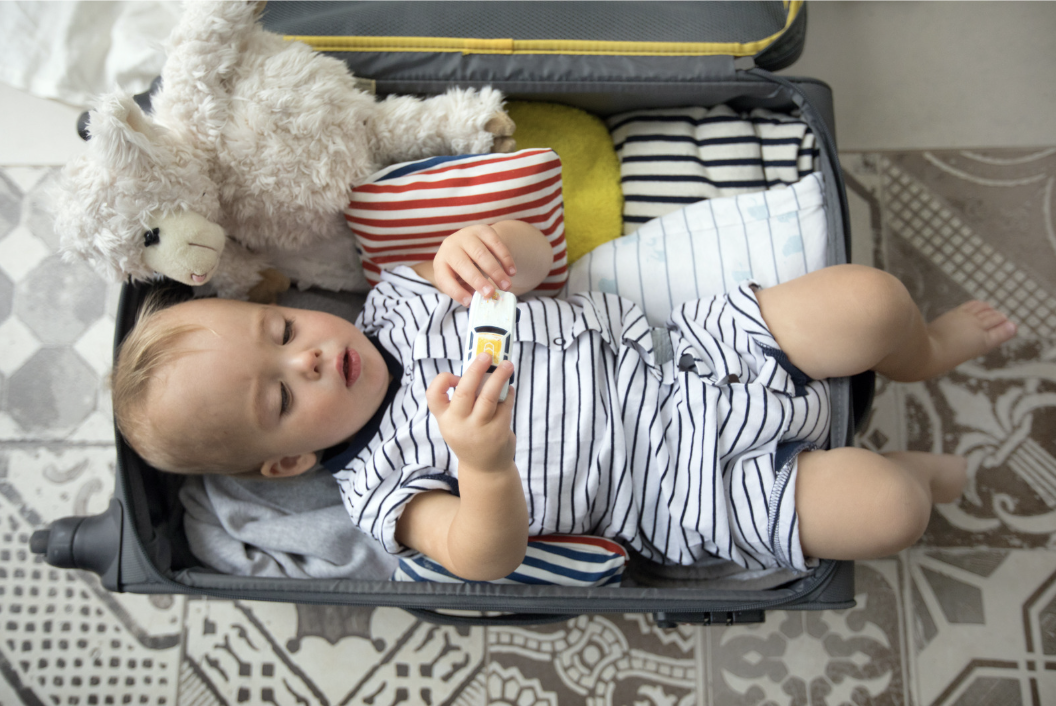
For a holiday with a toddler, pack clothes for the forecast, spare outfits, nightwear, nappies or toilet-training supplies, familiar mealtime items, toiletries, necessary medicines, travel documents and a small selection of toys. For seven days without laundry, 10 complete daytime outfits are a practical starting point if your child usually wears one outfit per day. Keep two of those spare outfits in an accessible travel-day bag.
This list covers the whole stay: getting dressed each morning, eating away from home, bedtime and the journey. Packing quantities are editorial estimates to adjust to your toddler’s routine. A child with frequent spills or toilet-training accidents will need a different reserve from one who usually stays in the same clothes all day.
For cabin baggage, plane outfits and airport preparation, use our separate toddler plane packing list.
Quick toddler holiday checklist
- Daytime outfits, socks and underwear if worn
- Pyjamas and the sleepwear your child normally uses
- Removable warm layers and outerwear for the forecast
- Familiar shoes, with suitable wet-weather or beach footwear if needed
- Sun hat and sun protection for the destination
- Nappies or pull-ups, wipes and changing supplies if used
- Toilet-training supplies matched to your child’s current routine
- Familiar cup, bib and a small set of utensils
- Food for the journey and arrival, with a plan for shopping
- Toothbrush, toothpaste and usual washing products
- Necessary medicines and any supporting paperwork
- A suitable sleeping arrangement confirmed with the accommodation
- A comfort item, books and a few small activities
- Travel documents, booking details and insurance information
- A travel-day bag with changes and essentials within reach
Before putting an item in the suitcase, ask whether it is for the journey, the stay or a specific activity. That helps you avoid packing the same backup supplies into several bags.
Check what the accommodation provides
Confirm the sleeping arrangement for your child’s size and development. If you need a cot, travel cot or another child sleep product, ask for the model and follow its instructions, including the specified mattress and bedding. Bring what is needed for that arrangement rather than assuming any supplied cot will match your equipment at home.
Also check:
- Laundry: when you can wash, how long clothes take to dry and whether detergent is available.
- Meals: whether there is a highchair, fridge, kettle or kitchen equipment you need.
- Transport: what stroller or suitable child restraint you will use, including transfers.
- Shops: whether you can buy your usual nappies, food and toiletries nearby, and when shops will be open after arrival.
- Activities: whether towels, beach equipment or outdoor clothing are supplied.
Write down confirmed items before packing. “Family-friendly” does not tell you which equipment is included.
How many clothes does a toddler need for a week away?
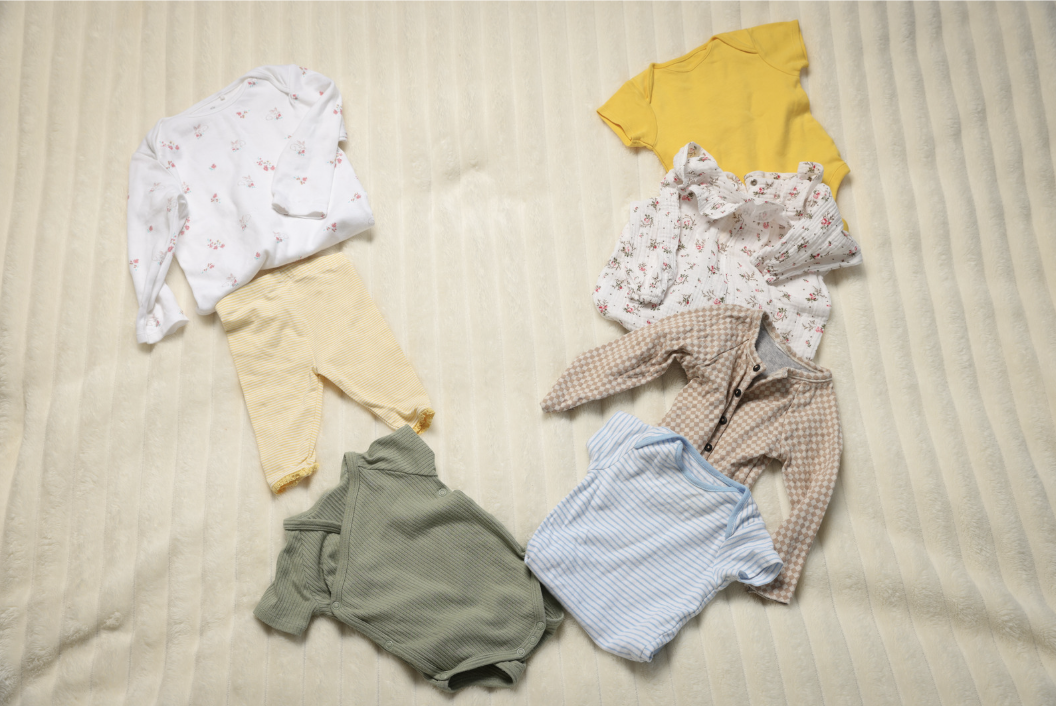
Start with the number of changes your child actually uses. For this example, a complete outfit means a top and bottoms, or a one-piece alternative. The quantities cover seven days and seven nights, including the clothes worn on the journey.
Seven days without laundry
For a toddler who normally needs one daytime outfit per day, begin with:
- 10 complete daytime outfits: seven daily outfits plus three spare changes.
- 3–4 sets of pyjamas: increase this if night-time leaks or frequent changes are usual.
- 10 pairs of underwear, if worn, before adding any toilet-training reserve.
- 10 pairs of socks, adjusted for sandals, wet activities and your usual changes.
- 2 removable mid-layers, such as cardigans or jumpers.
- Outerwear for the destination, such as a rain shell or warm coat.
- Familiar everyday shoes, plus activity-specific footwear where needed.
This is a suitcase planning example, not a requirement to buy ten new matching sets. Combine existing tops and bottoms into outfits, and reuse clean clothing when practical.
If your child usually needs two complete outfits each day, seven days already means 14 outfits before a spare reserve. Follow that routine rather than expecting ten to cover the trip.
With laundry every two or three days
If washing and drying are reliable, a smaller starting pack is:
- 5–6 complete daytime outfits, including spare changes.
- 2–3 sets of pyjamas.
- 6 pairs each of socks and underwear, if used, plus your child’s accident reserve.
- 2 removable mid-layers and the outerwear needed for the weather.
Wash while clean spares remain. A washing machine helps less if clothes take two days to dry, so plan for the whole wash-and-dry interval.
The spare outfits in your day bag come from these totals. Do not count them again as extra suitcase outfits unless you deliberately want a larger reserve.
Pack for the destination’s weather
Check the forecast for daytime outings, evenings and the journey home. Use our toddler clothing temperature chart for outdoor starting outfits, then adjust for activity, wind and rain.
Warm or beach holidays
Choose light outfits that can mix and match, a sun hat, swimwear if needed and footwear suited to the surfaces your toddler will walk on. Two swimsuits can be convenient when one is drying, but are optional if you can rinse and dry one between uses.
Pack sun protection and plan shade breaks. The NHS advises protecting young children with shade, suitable clothing and sunscreen. Swimwear and a sun hat do not replace supervision around water.
Keep a light layer for cool evenings and indoor spaces. Your child’s bedtime clothing should follow the room conditions on arrival, rather than the outdoor forecast.
Cool, rainy or mixed-weather trips
Pack removable layers, weather protection and dry spare socks. Consider how your toddler will spend the day: walking to a café, sitting in a stroller and playing on wet ground call for different adjustments.
Avoid multiplying the entire wardrobe because one evening might be colder. A useful mid-layer and suitable outerwear often give you more options than several bulky outfits. For a family trip with a younger sibling, see our baby winter clothing guide.
Nappies and toilet-training supplies
For nappies or pull-ups, use your usual daily number multiplied by the days before you can restock, then add a journey and delay buffer. Keep night-time supplies separate if you use a different product overnight.
For example, if your child uses five nappies daily and you will shop after two days, start with ten for those days, then add your chosen buffer. Buying locally only saves space if the size and type you need are actually available.
For toilet training, pack:
- Extra underwear and easy-change bottoms based on recent accidents.
- A familiar potty or compatible travel seat if it is useful and fits your luggage.
- Wipes and a washable wet bag for dirty clothes.
- Any night-time nappies or pull-ups your child still uses.
Check whether public toilets are easy to reach on planned outings. Put the first change in your day bag rather than beneath the rest of the suitcase.
Meals, snacks and washing up
Bring the items that make your usual meals easier: a familiar drinking cup, bib, spoon or fork and a small food container. Pack enough familiar food for the travel day and the first meal after arrival, allowing for delays.
Check cooking and cleaning facilities before bringing a large feeding kit. If your toddler has allergies or specific dietary needs, confirm suitable supplies at the destination and plan with their healthcare professional where needed.
For flights, check the departure airport’s food and liquid rules; do not assume every toddler drink qualifies for an exception. Our plane packing guide links to the relevant UK and US authorities.
Bedtime, toiletries and medicines
Keep the bedtime routine recognisable with familiar nightwear, a bedtime book and the usual comfort item where appropriate for your child’s sleep arrangement. Check the product instructions for any sleep equipment you use away from home.
Bring a toothbrush, toothpaste and small quantities of the washing products your child already uses. A shared family product can save space when it is suitable for your toddler.
Keep necessary medicines accessible to the accompanying adult, securely out of your child’s reach. Follow prescription, storage and destination requirements; check supporting paperwork before departure rather than relying on a general packing list for medical or border advice.
What belongs in the travel-day bag?
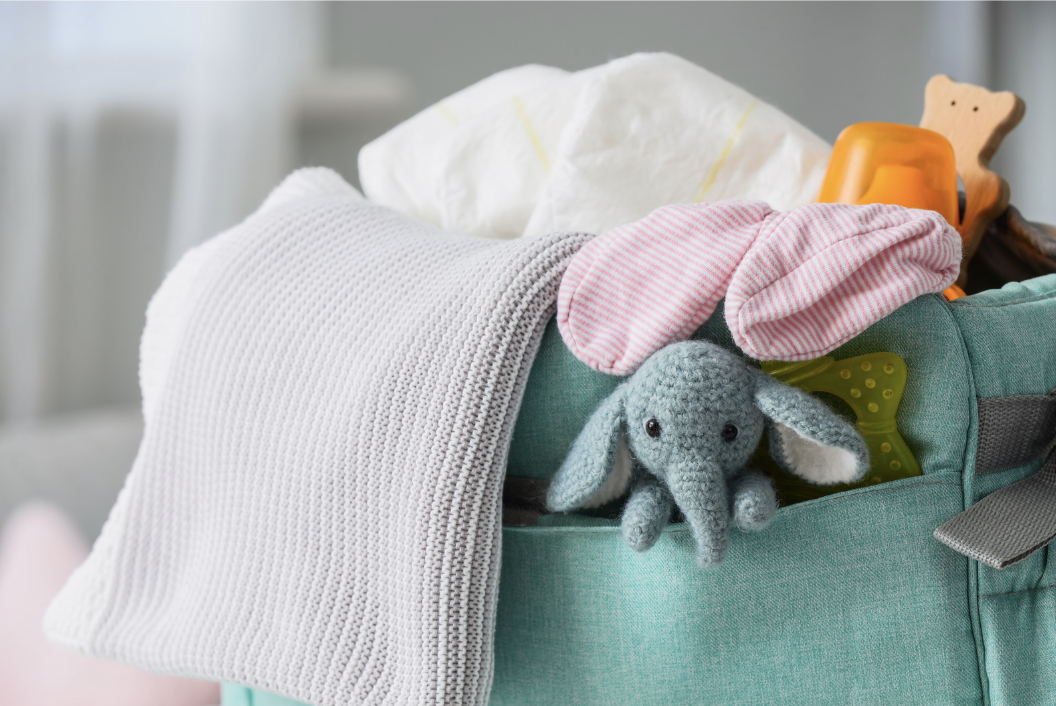
Pack this bag for the time from leaving home to reaching your accommodation:
- Two complete spare outfits from your holiday clothing total.
- Nappies or toilet supplies and wipes, as needed.
- Food, snacks and a cup for the journey.
- One removable clothing layer and any arrival-weather items.
- A comfort item, a book and two or three small activities.
- Necessary medicines and travel documents.
- A bag for wet clothes and a spare top for the adult.
Use one accessible pouch for the first clothing change. For flight-specific baggage, seating and stroller arrangements, follow the toddler plane checklist.
Tiny Weather’s Trip Planner, available with Premium, can help you prepare a clothing packing list around your destination and travel dates. Compare it with the clothes you already have, then add the toiletries, meal supplies and other essentials from this guide. You can download Tiny Weather before packing.
Frequently asked questions
What should I pack for a two-year-old on holiday?
Use the checklist above and adjust it to their routines: nappies or toilet training, meals, sleep arrangements and how much they walk. The age on its own does not tell you how many spare clothes they will use.
How do I pack for a toddler and a baby together?
Keep individual clothing and changing supplies separate, then share suitable family items such as toiletries where practical. Use our holiday packing list for a six-month-old for the baby’s feeding, sleep and clothing needs. Count shared equipment once.
What can I leave at home?
Consider leaving duplicate toys, shoes for hypothetical activities and bulky equipment your accommodation has confirmed it provides. Prioritise familiar essentials over a large collection of new travel accessories.
How do I adapt this list for a weekend or two weeks?
Count days until the next reliable wash, add the changes your child normally uses, then include a spare reserve. Toiletries and equipment do not necessarily double for a longer stay; consumables such as nappies need a restocking plan.
About this checklist
Planning an overnight stay outdoors? Our camping with a toddler checklist adds tent and sleeping equipment, campsite meals, changing arrangements and a first-trip setup plan.
Clothing quantities and packing examples are Tiny Weather’s editorial estimates. The NHS source was checked on 7 November 2026. Confirm travel rules, accommodation equipment and product instructions for your own trip. Individual medical needs should be discussed with your child’s healthcare professional.
Get today’s outfit in the app
Free to start on iPhone and Android.