 Tiny Weather
What Should My Baby Wear Outside? A Temperature-by-Temperature Guide
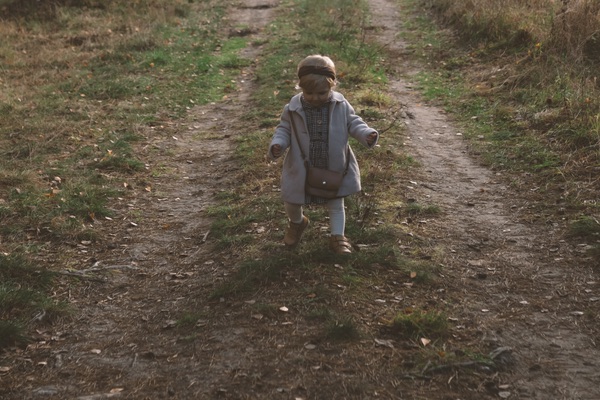
The short answer: dress your baby in light, removable layers suited to the feels-like temperature, then check their chest or the back of their neck soon after going outside and throughout the outing. At 20°C (68°F), a bodysuit with light trousers may be enough; at 10°C (50°F), add a warm mid-layer and jacket; below 5°C (41°F), use insulated outerwear and protect the head, hands, and feet. This is a starting point—not a fixed formula.
Hands and feet often feel cool even when a baby is comfortable, so they are not the best temperature test. A warm, dry chest or neck usually means the outfit is working. A hot, sweaty, or clammy neck means it is time to remove a layer.
Quick baby clothing guide by temperature
For general cold-weather layering advice, see the American Academy of Pediatrics (AAP). The numerical outfit examples below are not an AAP chart. In severe weather, follow local warnings and consider postponing the outing; extra clothes do not make every temperature safe.
These examples are for a typical healthy baby going outdoors. Choose breathable fabrics and layers that are easy to remove.
These outfit examples are Tiny Weather’s practical suggestions, not clinically validated temperature cutoffs. Fabric, age, activity, wind, and exposure change the answer; shared range endpoints do not prescribe a sudden outfit change.
| Feels-like temperature | Practical starting outfit |
|---|---|
| Below 0°C / 32°F | Long-sleeve base layer, warm mid-layer, insulated pram suit or coat, warm socks or booties, mittens, and a hat covering the ears |
| 0–5°C / 32–41°F | Long-sleeve bodysuit, trousers or sleepsuit, fleece or wool layer, warm jacket or bunting, hat, and warm foot covering |
| 5–10°C / 41–50°F | Long-sleeve bodysuit, trousers, jumper or fleece, medium-weight jacket, socks or booties, and a light warm hat if needed |
| 10–15°C / 50–59°F | Long-sleeve bodysuit, trousers, light jumper or cardigan, and a light jacket |
| 15–20°C / 59–68°F | Bodysuit or top, light trousers, and a cardigan or thin jacket to add in wind or shade |
| 20–25°C / 68–77°F | Short-sleeve bodysuit or T-shirt with light trousers, shorts, or a romper; sun hat in direct sun |
| 25–30°C / 77–86°F | One loose, lightweight layer such as a short-sleeve bodysuit or romper; wide-brimmed sun hat |
| Above 30°C / 86°F | Minimal loose clothing, shade, airflow, and shorter outings during cooler hours |
For a compact chart, use the baby clothing temperature guide. For warm days, see how to dress a baby in summer. Mild days are where parents often overdress.
A reliable three-step decision
1. Start with the feels-like temperature
The number on a thermometer is only part of the story. Wind can make 12°C (54°F) feel much colder, while strong sun can make a sheltered 18°C (64°F) spot feel warm. Weather apps may show a “feels like” value that accounts for some of this.
Use the chart for your first choice, but keep one layer easy to reach. Tiny Weather can suggest a starting outfit based on local conditions and how your child will travel; the final check should always be your baby.
2. Account for how your baby is travelling
Check AAP car-seat guidance and the Lullaby Trust’s carrier guidance for your mode of travel.
- Stroller: a baby who is lying or sitting still produces little heat. Wind can reach the sides of an open stroller, while a rain cover may trap warmth and humidity. Use ventilation and check frequently.
- Carrier or sling: your body and the carrier both add warmth. A baby may need less clothing than in a stroller. Keep their face visible and airways clear, and do not place loose blankets near the face.
- Car seat: warm the car when possible, remove bulky coats or snowsuits before tightening the harness, and do not add padding or accessories unless approved for that car seat. After buckling, place a blanket over the secured straps if needed, away from the face.
- In and out of shops: removable outer layers prevent a baby staying bundled in heated indoor spaces.
The AAP recommends one extra layer as a cold-weather rule of thumb. Adapt it to fabric, activity, and your child rather than applying it unchanged in every setting.
3. Check and adjust
For checking clothing comfort, see Lullaby Trust temperature-check guidance. Touch is not a fever test.
During the outing, touch the upper chest or back of the neck under the clothing:
- Comfortably warm and dry: keep the outfit as it is.
- Hot, damp, sweaty, or clammy: remove a layer, move to shade, and allow time to cool.
- Cool at the chest or neck: add a light layer or seek shelter.
Cool fingers alone do not prove that your baby is cold. Behaviour can add context, but fussiness has many causes and is not a diagnosis. Learn the practical checks in how to tell if a baby is too hot or too cold. If your baby seems unwell, contact a clinician. Difficulty waking or breathing difficulty needs emergency help; see NHS warning signs.
How weather changes the outfit
Wind and rain
Add a wind-resistant outer layer before adding several heavy layers underneath. In rain, choose a water-resistant jacket or stroller cover with good airflow. Wet clothing loses comfort quickly, so carry a dry spare. Do not seal a stroller with a blanket: it can reduce ventilation and trap heat.
Sun and humidity
Sun and stroller-shade precautions follow NHS sun-safety guidance.
In direct sun, use shade, a breathable wide-brimmed hat, and lightweight clothing that covers exposed skin where practical. Babies under 6 months should be kept in shade rather than relying on sunscreen. For older babies, follow local sun-safety and sunscreen guidance.
High humidity slows the evaporation of sweat, so 26°C (79°F) can feel much warmer than expected. Reduce layers and prioritise airflow. A pram canopy provides useful shade, but check that it does not block ventilation.
Activity and time outdoors
A young baby sleeping in a stroller needs a different starting point from a crawling baby on a picnic mat. Longer outings also cross changing conditions: a cool morning may become a sunny afternoon. Pack one thin layer and a dry change rather than dressing for every possibility at once.
Related guides
- Baby clothing from 0°C to 30°C: quick reference
- How to dress a baby in winter
- How to dress a baby in summer
- How to dress a baby for rain
- How to avoid overdressing a baby in mild weather
If you are dressing an active older child, use the separate toddler clothes by temperature guide. Toddlers generate more heat while walking and playing and usually need easier access to removable layers.
Frequently asked questions
Should a baby always wear one more layer than an adult?
It is a useful cold-weather rule of thumb, not a formula for every season. Account for the carrier or stroller, clothing thickness, and your child’s comfort.
Does my baby need a hat outside?
Use a warm, well-fitting hat in cold or windy weather and a breathable sun hat in strong sun. In mild, shaded conditions a hat may not be needed. Remove warm hats in heated cars and indoor spaces to avoid trapping heat.
Are cold hands a sign my baby needs more clothes?
Not by themselves. Babies’ hands and feet commonly feel cooler than their torso. Check the chest or back of the neck and consider the whole situation.
Is this guide suitable for premature or unwell babies?
It is general information for typical outdoor dressing, not medical advice. Premature babies and children with health conditions may have different needs; ask their healthcare professional for individual guidance.
The best outfit is not the one that perfectly follows a rule. It is the one you can adjust quickly after observing your baby.
About this guidance
Sources are linked beside the relevant safety advice. Outfit examples are editorial suggestions, not recommendations tested for every child. This is a source-based editorial update, not a clinical review. For premature or unwell children, or children with specific health needs, ask their healthcare professional for individual advice.
Get today’s outfit in the app
Free to start on iPhone and Android.