 Tiny Weather
What Should a Baby Wear Outside at 18°C (64°F)?
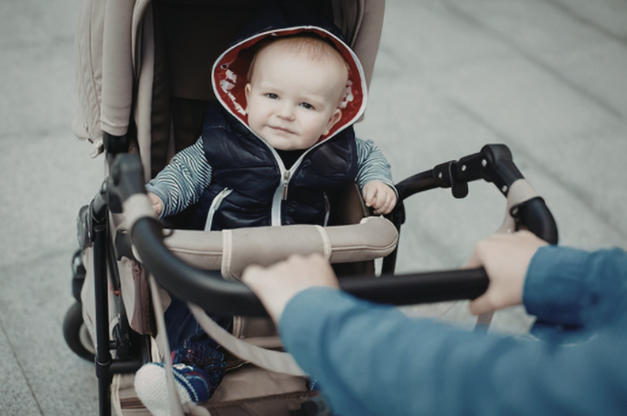
At 18°C (about 64°F) outside, a long-sleeve cotton bodysuit or top, lightweight trousers and socks make a useful starting outfit for a baby. Carry a thin cardigan or light jacket. A still baby in a shaded pram may need that layer, while a baby held close in a carrier may be comfortable without it.
The main decision at 18°C is often whether the extra layer belongs on your baby or in your bag. Choose for the actual outing: the same forecast can mean a sheltered sunny garden, a breezy walk or a shaded stroller ride.
These are practical outfit examples for otherwise well babies, not medically validated temperature rules. Fabric weight, your baby’s needs and the conditions around them matter more than a precise number of layers.
Looking for sleepwear in an 18°C bedroom? Use the separate baby sleeping bag TOG guide. Outdoor outfits are not instructions for indoor sleep. For a walking, playing child, use our toddler clothing temperature chart.
A simple outfit for an 18°C walk
Start with clothes that are easy to adjust:
- On the body: a breathable long-sleeve bodysuit or light top
- On the legs: lightweight trousers, or a light one-piece outfit instead of separate top and bottoms
- On the feet: socks or soft booties if the outfit does not cover the feet
- Within reach: a thin cardigan or light jacket, chosen for the conditions
A bodysuit and trousers are one outfit; you do not automatically need another full outfit underneath. Equally, a lightweight cotton top and a thick fleece are not equivalent just because each counts as one garment.
Choose the base outfit first, then decide whether the extra layer is needed. Do not automatically combine a cardigan, jacket, footmuff and blanket because each could be useful separately.
What should a baby wear in a pram at 18°C?
For a shaded or overcast pram walk, try the base outfit with a thin cardigan, then check comfort after setting off. A stationary baby is not generating the same warmth as the adult pushing the pram. In a sheltered, warmer spot, the cardigan may be better kept in the basket.
Look at what surrounds the baby as well as what they are wearing. A lined footmuff contributes insulation; it should not be ignored when choosing clothes. Follow the stroller and accessory instructions rather than adding padding or covers by default.
If using a light blanket as an adjustable layer during a supervised outing, keep it below the shoulders and away from the face. It is an option to assess alongside the clothing, not a compulsory addition at 18°C.
For shade, use the stroller’s suitable canopy or parasol. Never drape a blanket or muslin over the pram opening. NHS sun-safety guidance warns that covering a pram with a blanket can cause overheating.
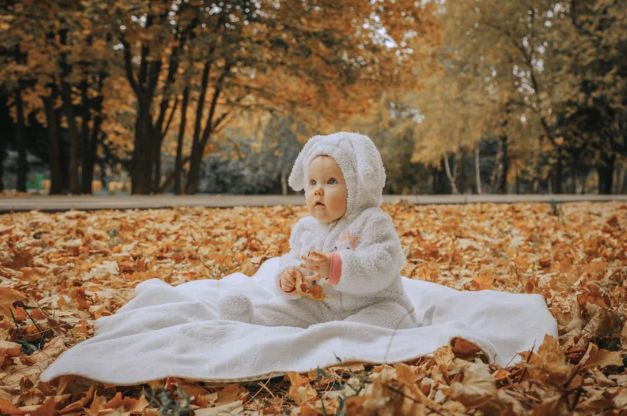
What should a baby wear in a carrier at 18°C?
Start with a light outfit that fits comfortably in the carrier, and account for your body heat and the carrier fabric before adding a cardigan. The pram outfit may be too warm when your baby is held against you.
A long-sleeve bodysuit with light trousers and socks is a practical starting example. Check that trouser legs have not ridden up, leaving lower legs exposed to wind or sun. Clothing should allow the carrier to fit as its manufacturer intends.
Follow the carrier’s size, age and fitting instructions and the Lullaby Trust’s TICKS guidance: a snug fit, a visible face, a baby close enough to kiss, chin clear of the chest and a supported back. Keep clothing and covers away from the nose and mouth.
If you move your baby from carrier to stroller during the outing, reassess the outfit. The forecast has not changed, but the warmth from your body is no longer part of the setup.
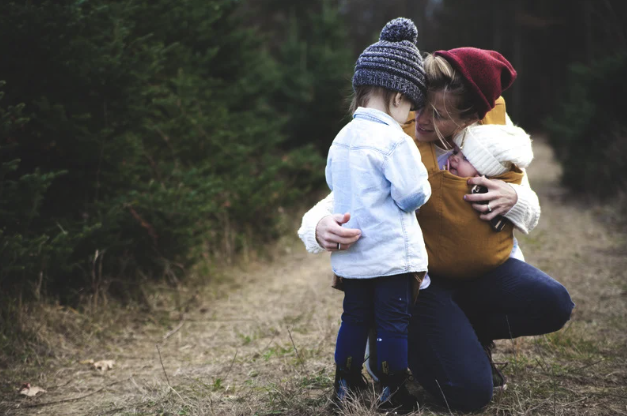
Does a baby need a jacket at 18°C?
Carry one light removable layer, but do not assume a padded coat is necessary. A thin cardigan can work for a calm, shaded outing. On an exposed route, a light wind-resistant jacket may be more useful than another thick knit.
Consider these three examples:
A calm walk through a shaded park
Try a long-sleeve bodysuit, light trousers, socks and a thin cardigan for a still pram passenger. Recheck soon after leaving, rather than deciding that the outfit must stay unchanged for the whole walk.
A sheltered, sunny garden
The same base outfit may work without the cardigan. Keep shade available and check for trapped warmth around your baby. A short-sleeve outfit may also be appropriate in warm, sheltered conditions, but exposed skin still needs age-appropriate sun protection.
An exposed waterfront or breezy hill
Use the forecast’s feels-like temperature as additional context. A light wind-resistant layer may help, but a forecast value cannot tell you exactly how warm your baby feels inside a pram or carrier. If the conditions are substantially cooler than expected, adapt the outing as well as the clothing.
These examples are alternatives, not layers to stack together. For a cooler forecast, compare baby outfits at 15°C (59°F). For a warmer afternoon, see what a baby can wear at 20°C (68°F).
What if it is sunny, rainy or getting cooler?
Sunshine at 18°C
Mild air does not remove the need for sun protection. Bring suitable shade and a breathable sun hat where needed. The NHS recommends keeping babies under six months out of direct sunlight and keeping older babies out of strong sun as much as possible. Follow age-appropriate sunscreen guidance; adding a thick layer is not a substitute for shade.
Showers during the walk
Focus on keeping clothing dry. Use a compatible stroller rain cover according to its instructions, keep its ventilation clear and remove it when no longer needed. Reassess warmth once the cover is on. A wet-weather forecast does not automatically require a thick insulated outfit.
Carry a dry change for a longer outing. Our rainy-weather clothing guide covers wet conditions in more detail.
An 18°C afternoon followed by a cooler evening
Check the forecast for the time you will return, not just the warmest hour. Pack the extra layer for the later part of the trip rather than putting it on at departure. If the forecast falls well below 18°C, plan for the cooler conditions using the baby clothing temperature guide.
When you enter a heated shop, café or car, reassess outdoor layers promptly. The clothes for a breezy path may be too warm indoors.
Check your baby, then adjust one layer
Feel the upper chest or back of the neck underneath clothing soon after setting out and regularly during the trip, particularly after changing layers, adding a cover or moving between sun and shade.
- Comfortably warm and dry: there may be no need to change the outfit.
- Hot or sweaty: remove unnecessary insulation, move to a more comfortable setting and reassess.
- Cool at the torso: consider an additional light layer or shelter from the wind.
The Lullaby Trust explains that hands and feet commonly feel cooler than the torso. Its page concerns sleep, but the chest-and-neck check is useful context for assessing clothing comfort; it does not prescribe the outdoor outfits in this article.
Touch cannot measure a fever or rule out illness. If your baby seems unwell, seek appropriate medical advice rather than treating clothing as the explanation. Read our baby too hot or too cold guide for the distinction between comfort checks and signs of illness.
What to put in your bag for an 18°C outing
- A thin cardigan or light jacket suited to the route
- One spare base outfit and socks for spills or wet clothing
- Suitable sun protection for the conditions
- A compatible rain cover if showers are forecast
- The additional layer needed for a cooler return journey, if different from the one above
Keep the removable layer accessible. It is more useful at the top of the bag than under everything else when the wind picks up.
Tiny Weather can suggest a starting outfit based on local weather and your child’s age. Use it to prepare for the outing, then adjust to your baby and the conditions around them.
Frequently asked questions
Can my baby wear short sleeves at 18°C outside?
Possibly, particularly in a warm, sheltered spot or when held in a carrier. For a still baby in shade, light long sleeves are a useful starting choice. Keep a removable layer available and consider sun protection as well as warmth.
Does a baby need a hat at 18°C?
There is no single hat rule for this temperature. Sunshine may call for a breathable sun hat and shade; a cool exposed setting may call for different protection. A thick winter hat is not an automatic part of an 18°C outfit. Remove outdoor headwear indoors.
Should I use a footmuff at 18°C?
That depends on the footmuff’s insulation, the rest of the outfit and the conditions. A heavily insulated winter footmuff may add more warmth than needed. Follow its instructions and account for it when choosing clothes instead of layering it over an already warm outfit by default.
What should a newborn wear outside at 18°C?
A lightweight sleepsuit, or a long-sleeve bodysuit with trousers and covered feet, gives you a starting outfit to adjust with a thin removable layer. Check fit and comfort regularly. For premature babies or babies with health concerns, ask their clinician for individual advice.
Do I need a different outfit at 17°C or 19°C?
Not automatically. A one-degree change is not a clothing threshold. Fabric, wind, sunshine, pram insulation and carrier use can matter more. Start with the same adaptable approach, then adjust based on your baby and the actual setting.
Is this also what a baby should wear to bed at 18°C?
No. Bedroom sleepwear depends on the measured room temperature, the sleep product and its instructions. Use the indoor sleeping bag guide rather than adding outdoor layers to a sleep outfit.
About this guidance
Outfit examples are Tiny Weather’s editorial suggestions for typical outdoor situations, not clinically tested temperature cutoffs. Safety sources are linked beside the relevant advice and were consulted in October 2026. This is a source-based editorial article, not a clinical review.
Get today’s outfit in the app
Free to start on iPhone and Android.