 Tiny Weather
What Should a Baby Wear in a Car Seat in Winter?
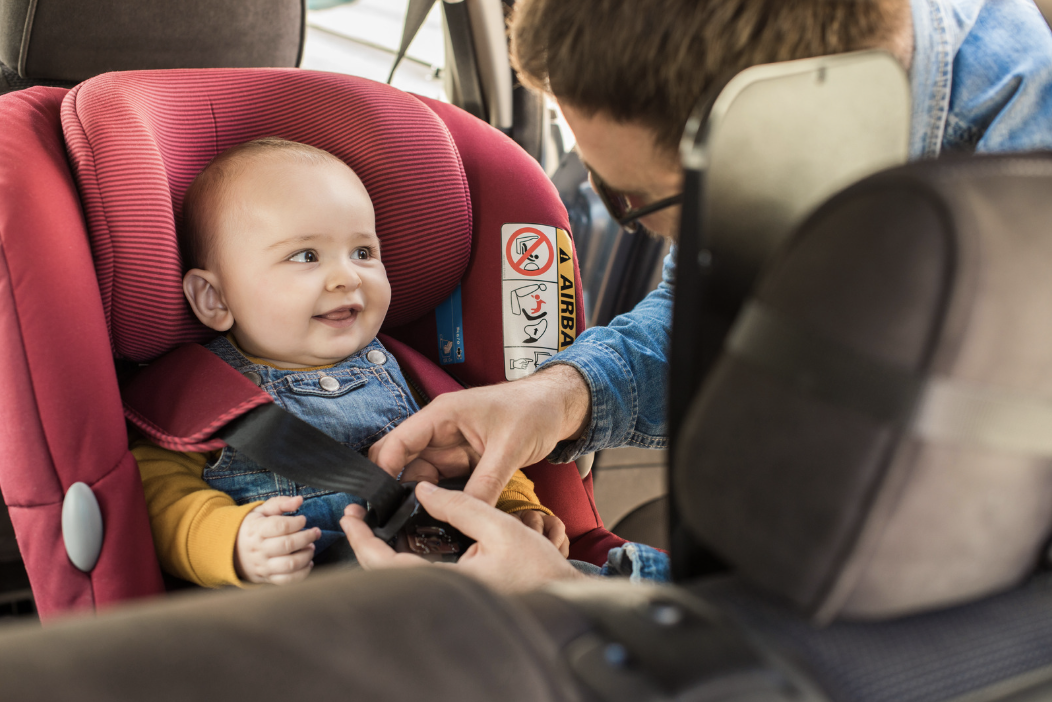
Dress your baby in thin, close-fitting layers under the car-seat harness. Remove bulky winter coats and padded snowsuits before buckling, then add a blanket over the fastened harness for warmth, keeping the face clear. Adjust the covering as the car warms up. The US National Highway Traffic Safety Administration (NHTSA) recommends lightweight layers rather than puffy clothing that can interfere with harness fit.
The practical challenge is often the short trip between a warm house, a cold car and an outdoor destination. Plan those as separate stages: clothes for the harness, a removable covering for the transfer, and outdoor layers ready for arrival.
The main photo shows buckling in progress, not a completed harness-fit check. Follow your seat’s manual before travelling.
What can go under the harness?
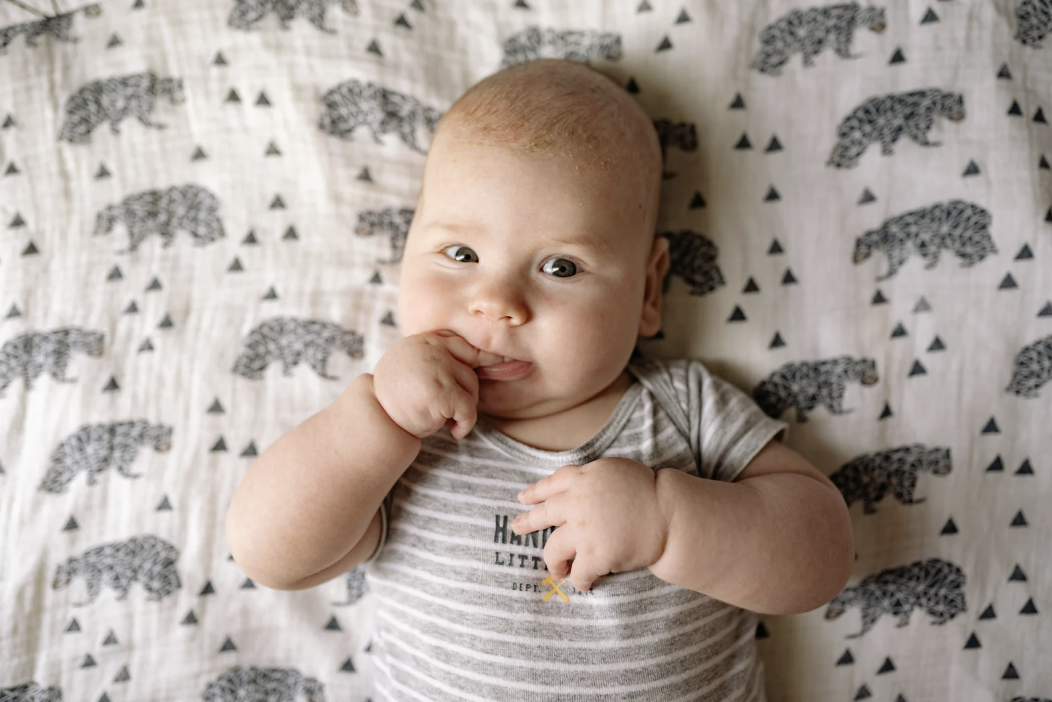
The American Academy of Pediatrics (AAP) winter car-seat guidance suggests close-fitting clothing such as a long-sleeve bodysuit, leggings or trousers, with a warmer top or thin fleece as needed. Socks or booties protect feet without adding padding beneath the straps.
For packing, think in two groups:
- Travel clothes: the ordinary clothing your baby will wear while buckled in.
- Outdoor extras: the coat or pram suit you will put on after taking your baby out of the seat.
You do not need to choose one outfit that stays unchanged from the front door to the end of a snowy walk. Keep the outdoor extras together, where you can reach them on arrival rather than beneath luggage.
These are clothing examples, not a fixed outfit for every winter temperature. Material thickness, the cabin temperature and your baby’s comfort still matter. Read the seat’s instructions before choosing garments or accessories.
Why a puffy coat is a problem in a car seat
Padding can flatten under crash forces, leaving space between the harness and the child. A harness that appeared tight over a thick coat may then have excess slack. The AAP advises keeping bulky coats and snowsuits out from under the harness.
Do not loosen the straps to accommodate a winter outfit. A “car-seat friendly” label on clothing also does not replace the instructions supplied with your seat.
Check the harness after dressing your baby
Follow your car seat’s manual for the correct harness position and adjustment. NHTSA’s rear-facing installation guidance describes flat, untwisted straps at or below the shoulders, with a snug fit that leaves no extra webbing to pinch at the shoulder.
Before setting off:
- Remove bulky outerwear and settle your baby in the seat as its manual directs.
- Check the strap routing and remove twists.
- Fasten and tighten the harness using the manufacturer’s procedure.
- Check the fit before placing any covering over it.
Seat designs differ between countries and manufacturers. If your seat has a chest clip, use its specified position; do not add one to a seat that was not designed with one. If you cannot achieve the instructed fit, ask the manufacturer or a qualified child-passenger-safety professional for help before travelling.
How to keep your baby warm over the straps
Once the harness is properly fitted, a removable blanket over it can provide warmth. Keep it below the shoulders and away from the nose and mouth. Never wrap a blanket around the baby underneath the harness. The AAP also cautions against covers with material beneath the baby and against using stroller sleeping-bag inserts in a car seat.
For any cover or insert, check whether the car-seat manufacturer permits that exact product. Harness openings alone do not establish compatibility.
A simple arrangement is easier to adjust during a journey. Keep the removable covering accessible to an accompanying adult, and stop somewhere safe if the driver needs to make a change. Never reach back to rearrange clothing while driving.
A winter routine from the front door to the pram
This is a planning example rather than a temperature-based clothing prescription.
Before leaving home
Set out the travel clothes, removable covering and outdoor outfit together. Pack a dry change separately from the coat so a wet sleeve does not mean unpacking everything beside the car.
For a removable infant carrier, the AAP suggests storing it indoors when not in use so it starts at room temperature. Check its manual for carrying and storage instructions.
Getting into the car
Choose a sheltered place for the clothing change where possible. If your baby wears a coat to reach a fixed car seat, remove it before buckling. If you buckle into a removable carrier indoors, complete the harness check there before adding the covering and carrying it outside.
During the journey
Outdoor temperature alone does not tell you how warm the cabin is. NHTSA recommends removable warmth over the fitted harness; reassess it as conditions change. Never leave your baby alone in the vehicle, including while it is warming up.
For ordinary clothing-comfort checks, see how to tell if your baby is too hot or too cold. Touch cannot diagnose fever or rule out illness.
At your destination
Allow time for a second outfit decision. Put on the outdoor layers after removing your baby from the car seat, then prepare the pram or carrier for the weather you will actually encounter.
Our winter outdoor clothing guide covers pram layers. If you will be babywearing, use the separate winter carrier guide. Before the return drive, repeat the coat removal and harness check.
What to pack for a winter car outing
Keep a small change kit within reach when parked:
- A spare bodysuit or sleepsuit, trousers and socks.
- A removable travel blanket.
- Outdoor clothing for the destination.
- A bag for wet clothes.
- Nappies, wipes and the feeding supplies your baby normally needs.
For winter breakdown preparation, NHTSA recommends an emergency kit including blankets, a phone charger, food and water. Adapt the supplies to your family and route, and consult its winter driving guidance before longer trips or severe weather.
Where Tiny Weather can help
Use Tiny Weather to plan the outdoor part of the outing: check the weather at your destination and prepare clothes for the walk after parking. For a cool-weather example, see what a baby should wear outside at 5°C (41°F).
An outdoor outfit suggestion is not a car-seat harness assessment. Check the seat’s instructions and the actual fit every time you buckle your baby in.
Frequently asked questions
Can a baby wear a snowsuit in a car seat?
A bulky, padded snowsuit belongs with the outdoor extras, not beneath the harness. Put it on after taking your baby out of the seat. See the explanation of compressible padding above.
Can a baby wear fleece under the harness?
Thin fleece is one option in the AAP’s layering advice. Thickness and fit matter: follow the seat’s manual rather than assuming every fleece garment is suitable.
Can I use a pram footmuff in the car seat?
Do not transfer a pram footmuff into the car seat just because it has strap slots. Use only accessories the seat manufacturer permits for that model.
Is there a car-seat outfit chart by outdoor temperature?
An outdoor reading cannot account for the changing cabin temperature or establish harness fit. Plan adjustable warmth and check the seat’s instructions instead of treating a temperature chart as approval for an outfit.
About this guidance
This article draws on the linked AAP and NHTSA guidance, checked on 18 November 2026. The outing routine is an editorial planning example. It has not been clinically reviewed or tested with every car seat; your seat and vehicle manuals govern installation, harness adjustment and accessory use.
Get today’s outfit in the app
Free to start on iPhone and Android.